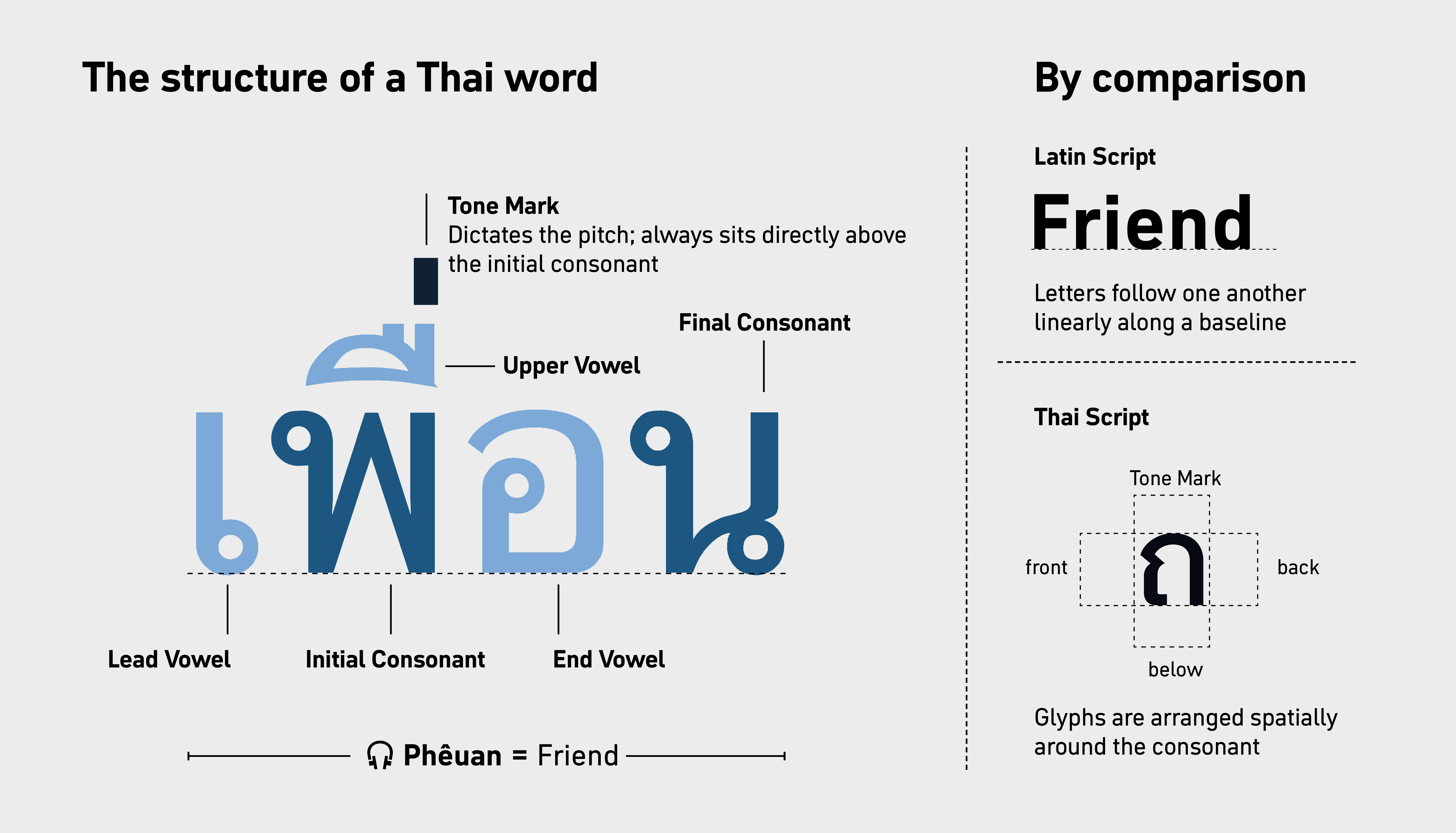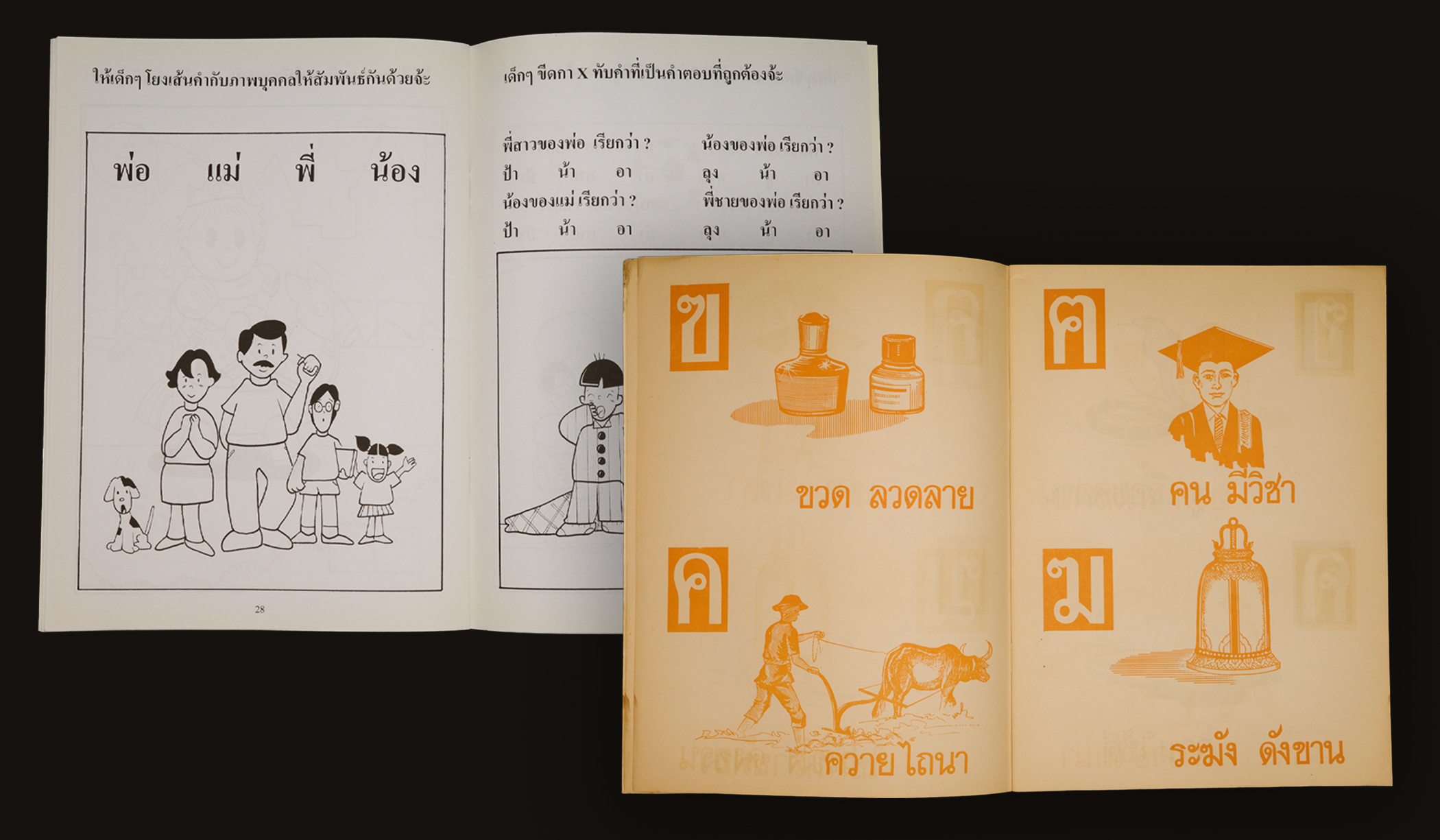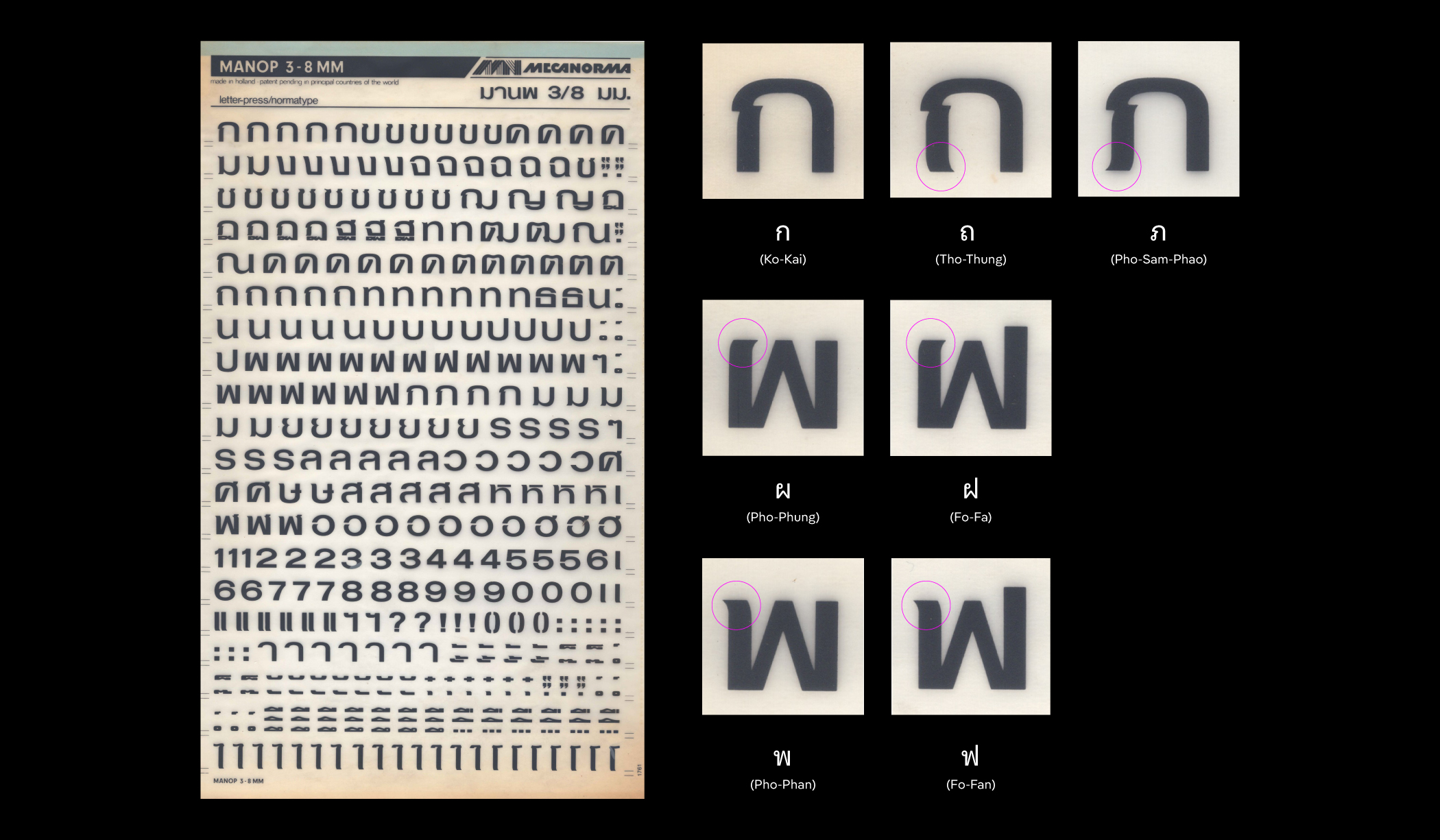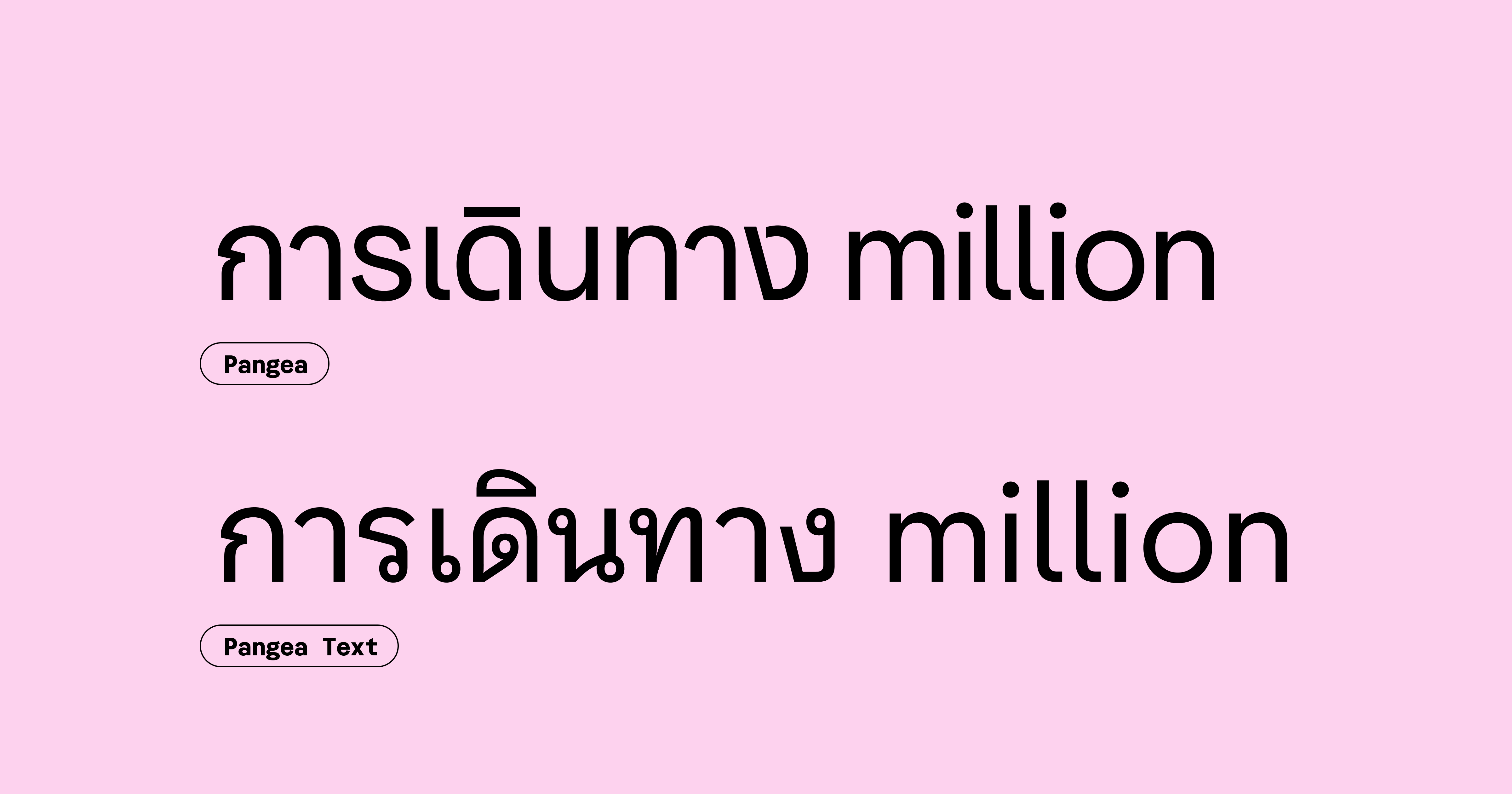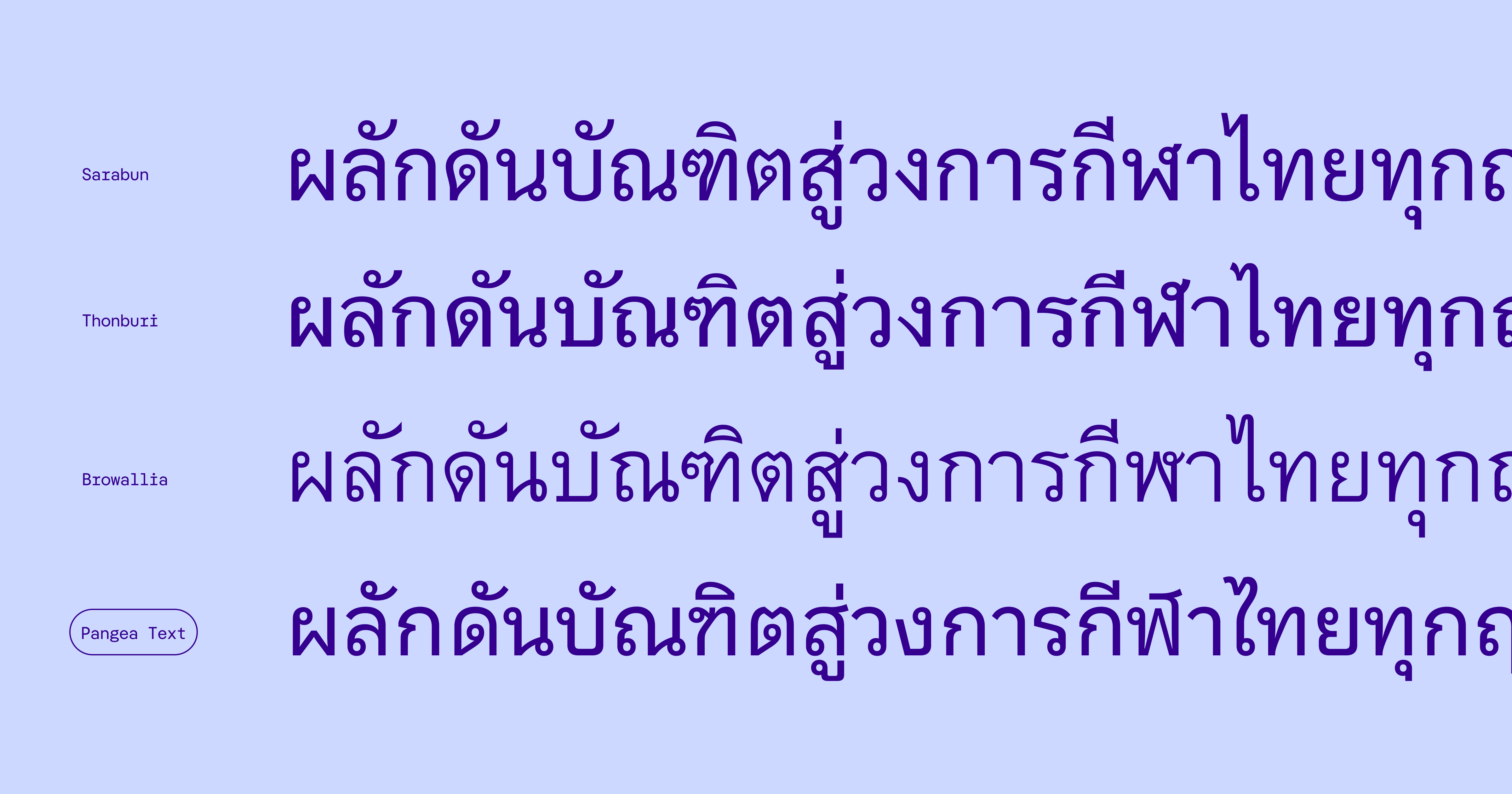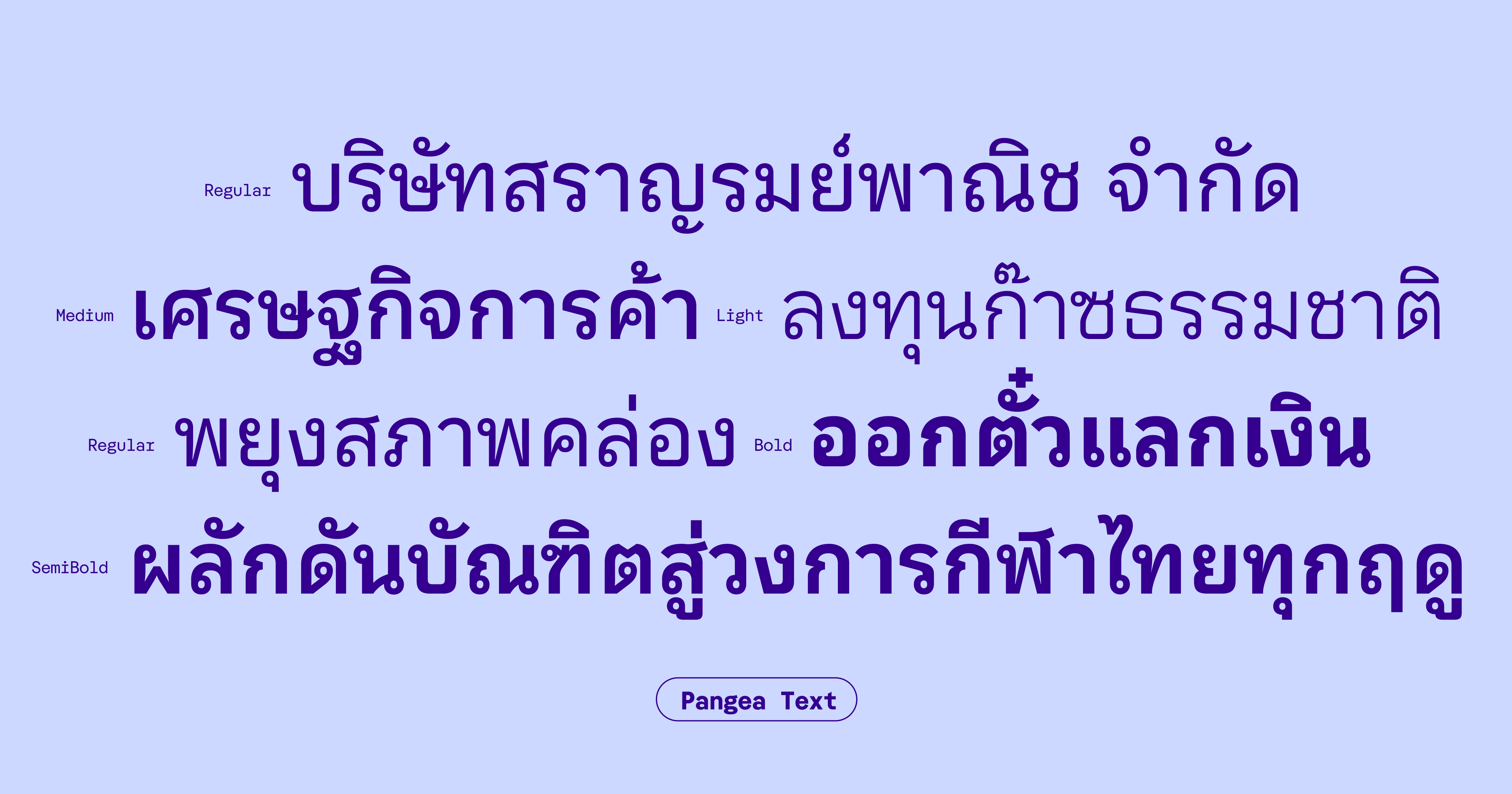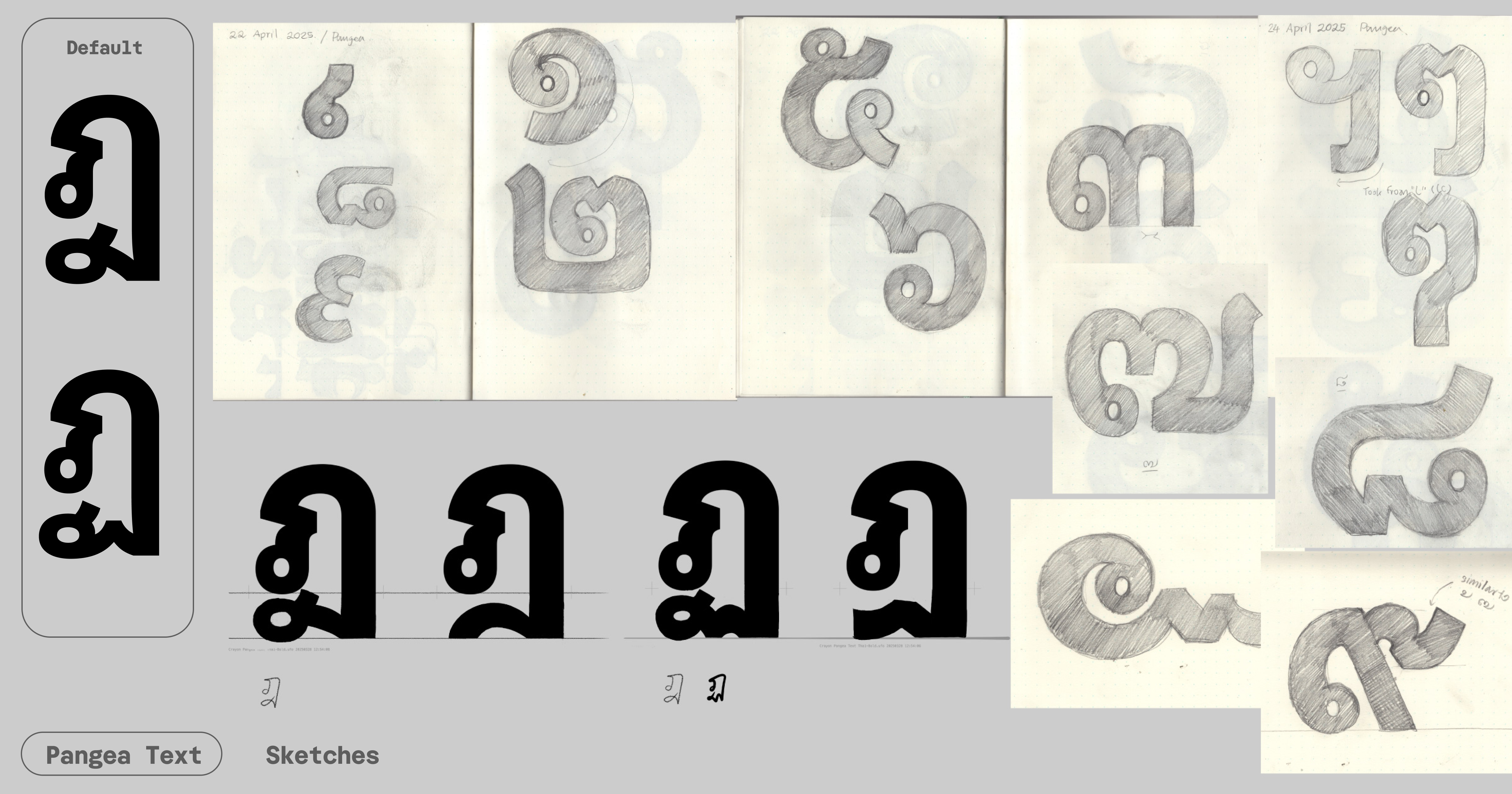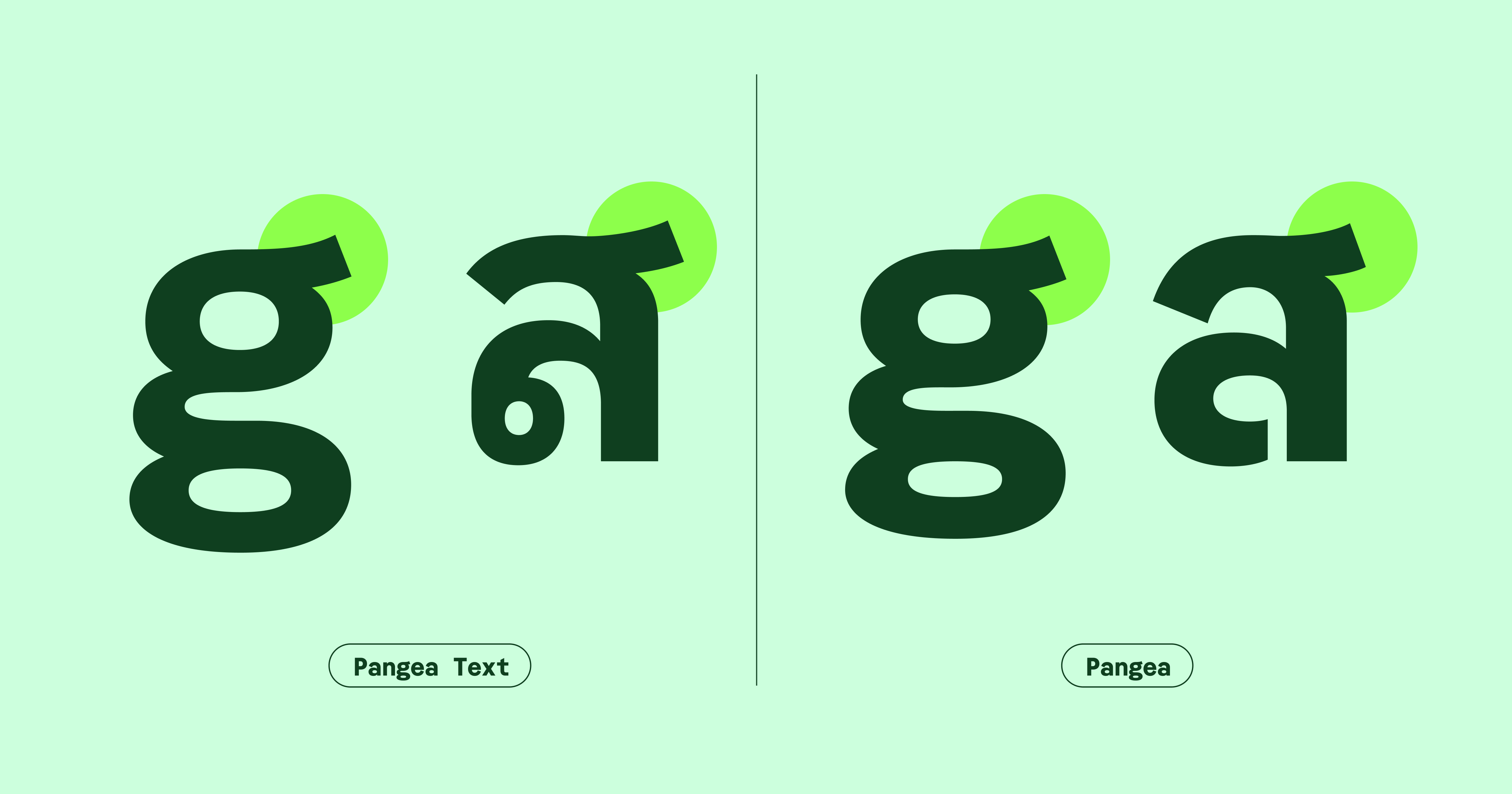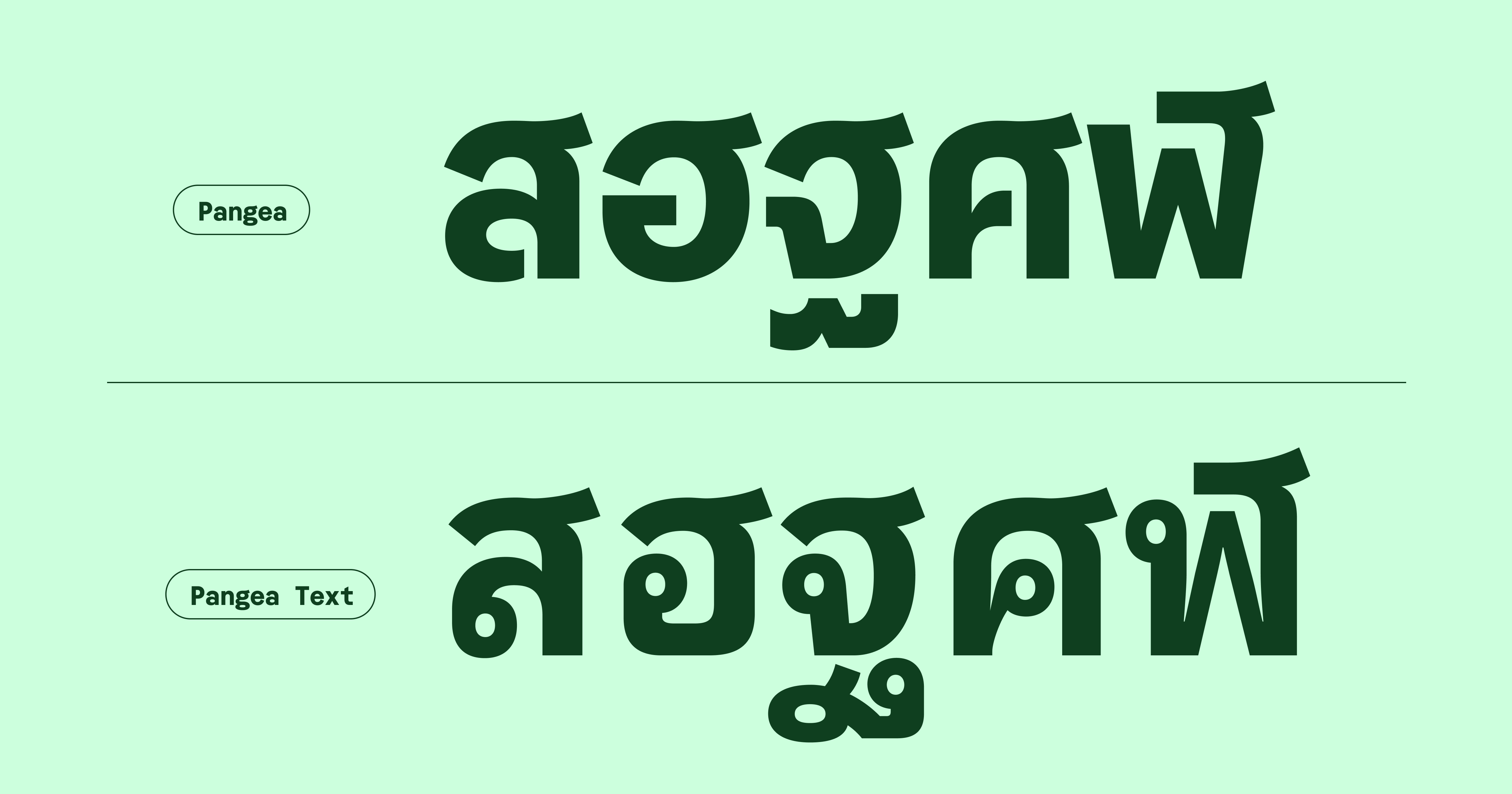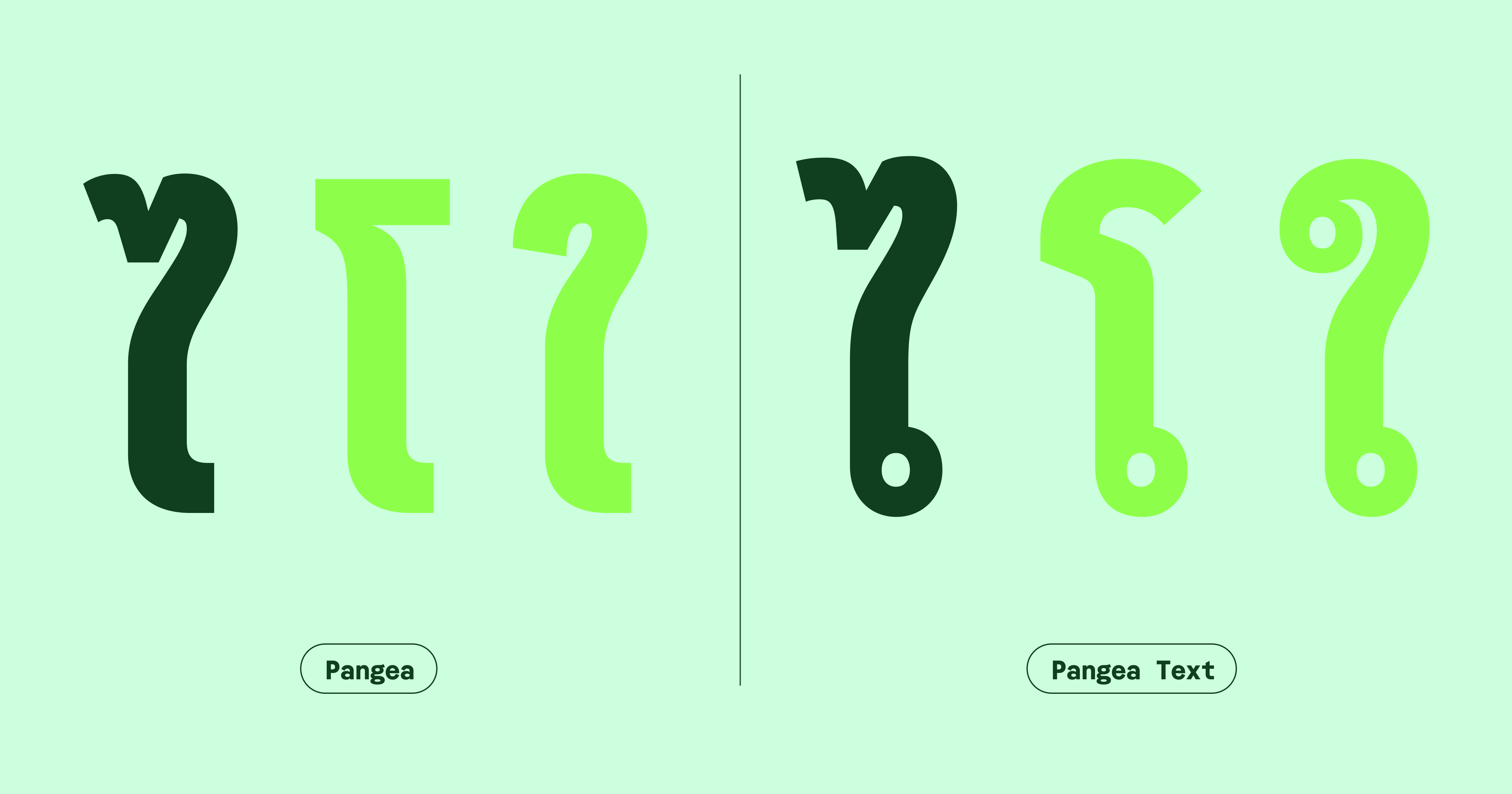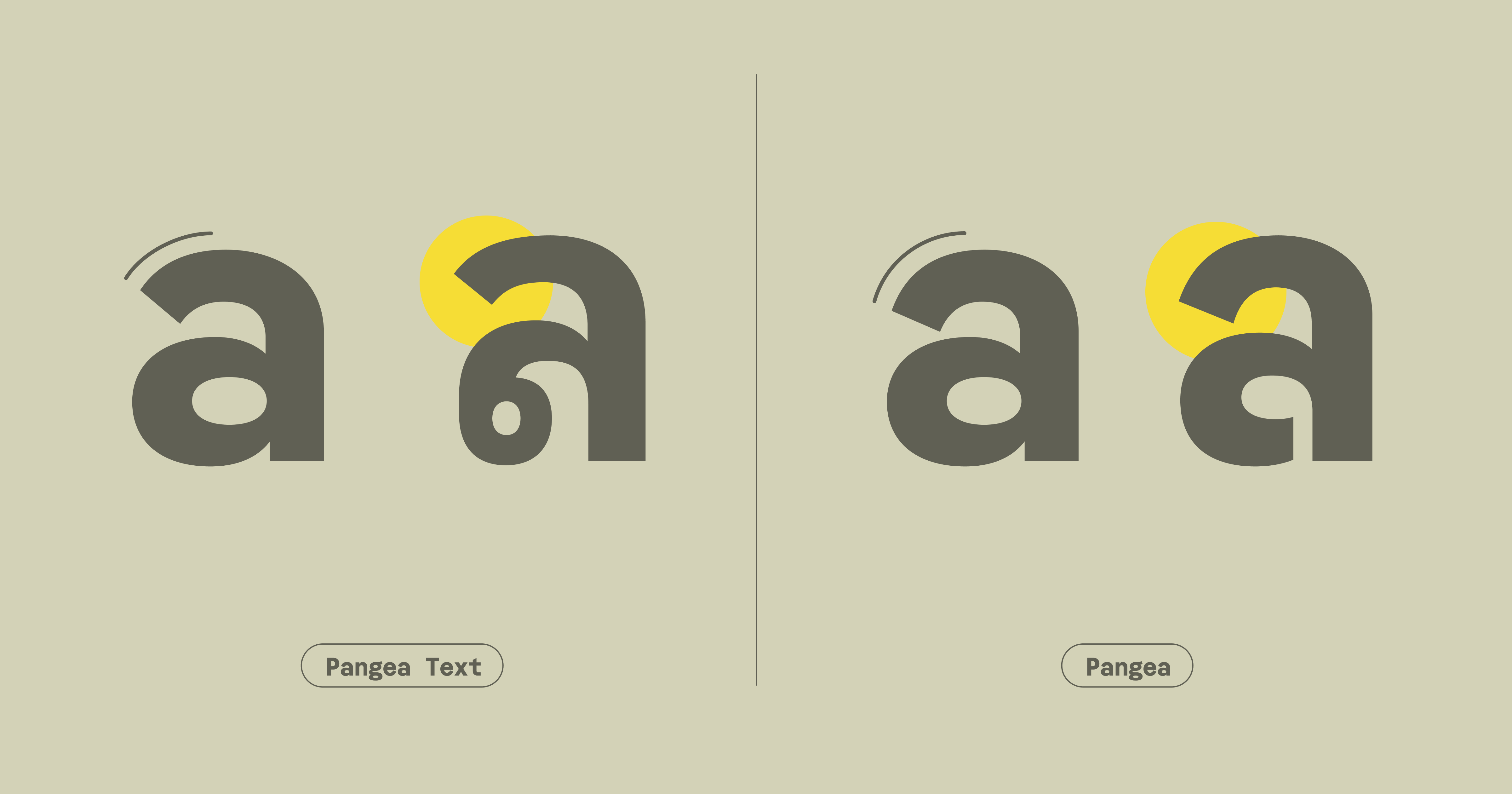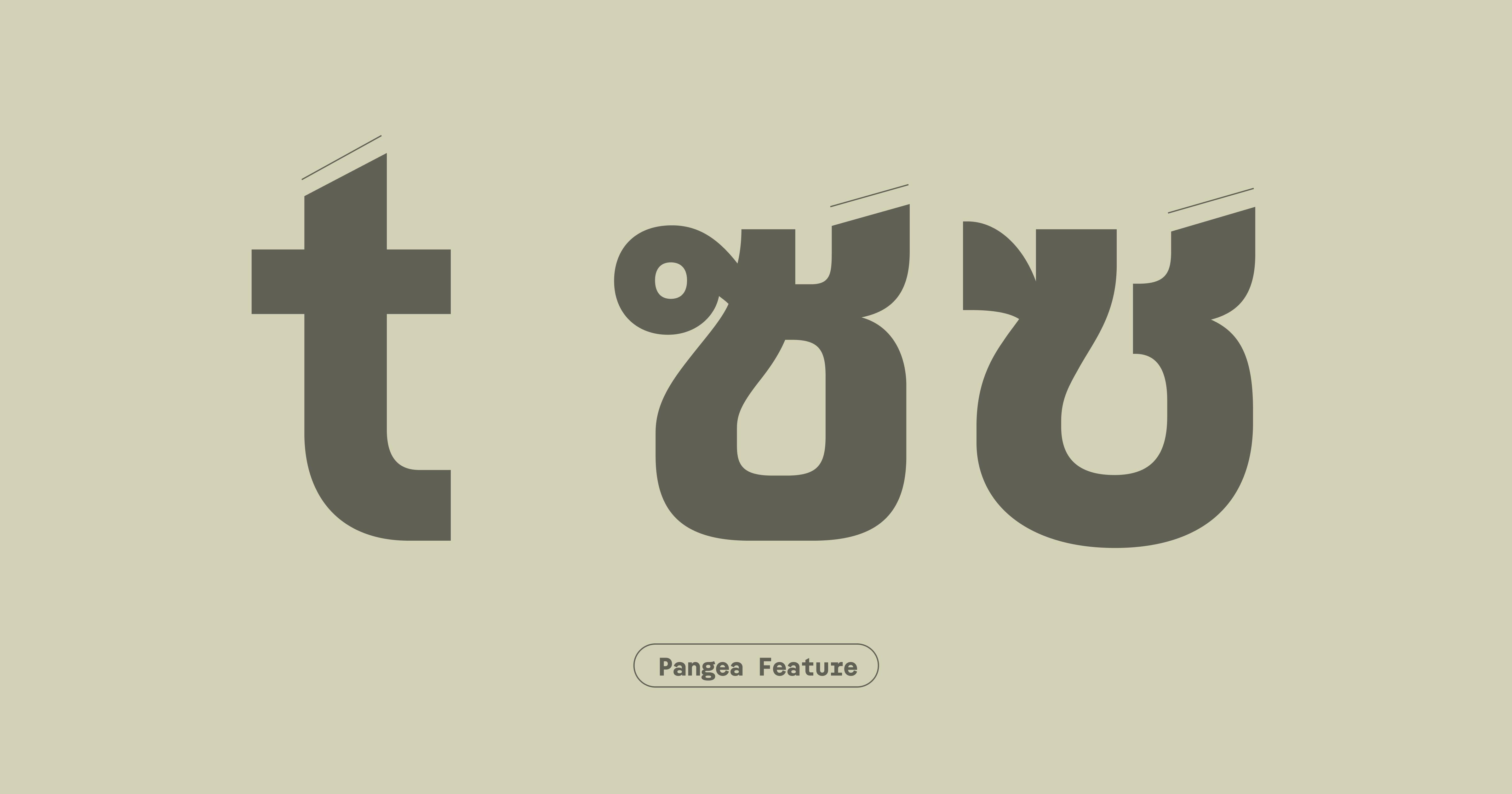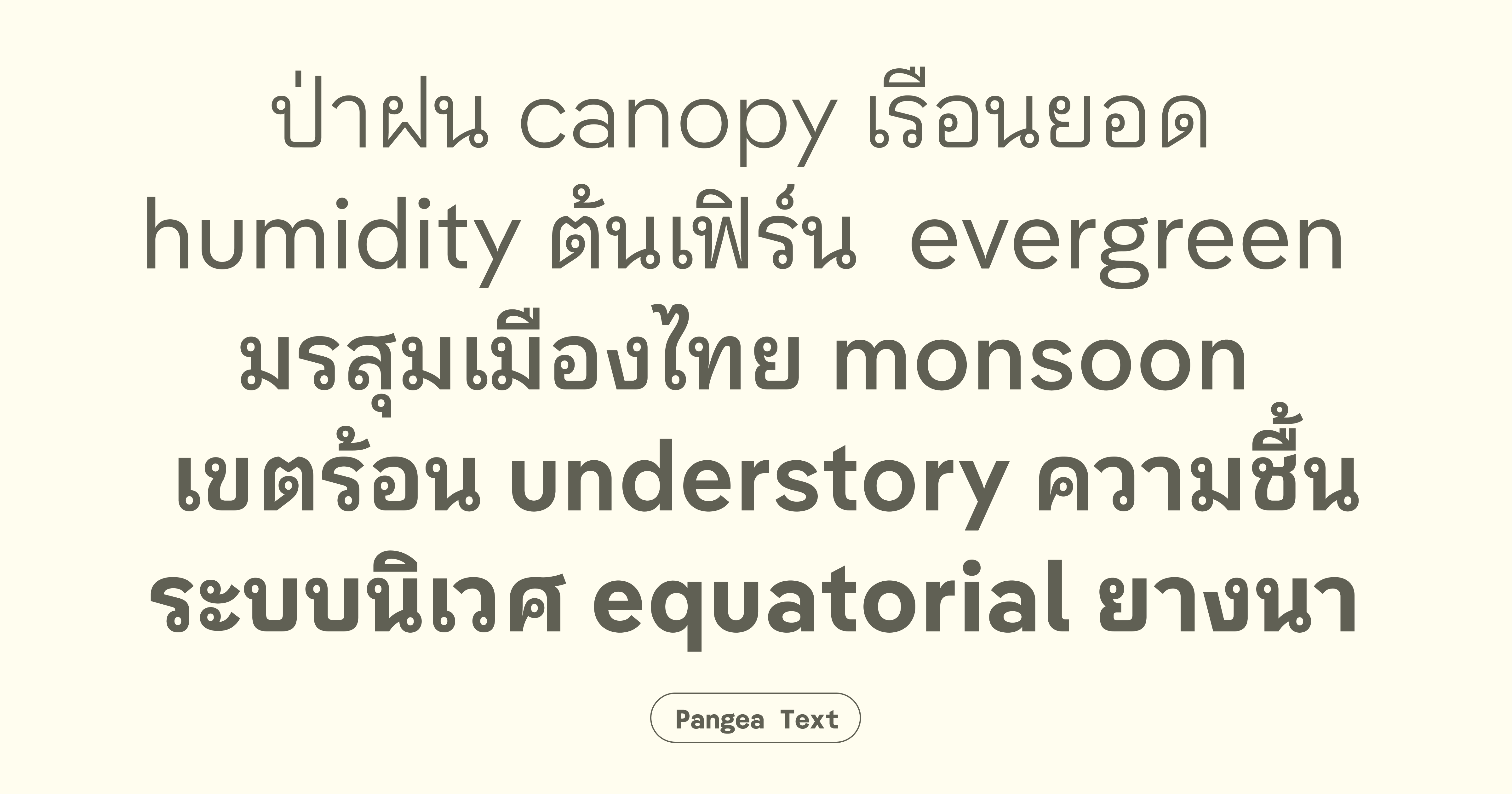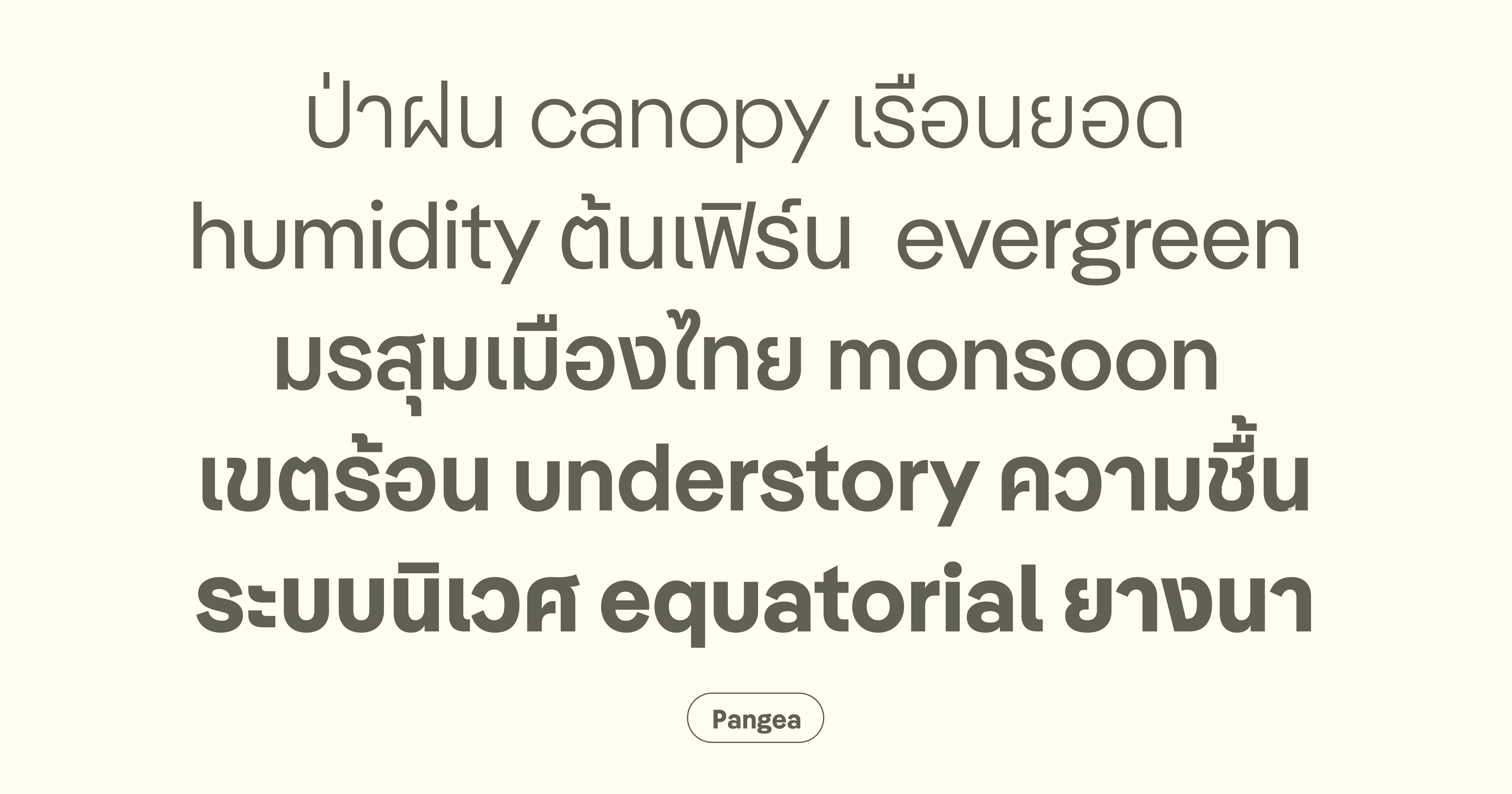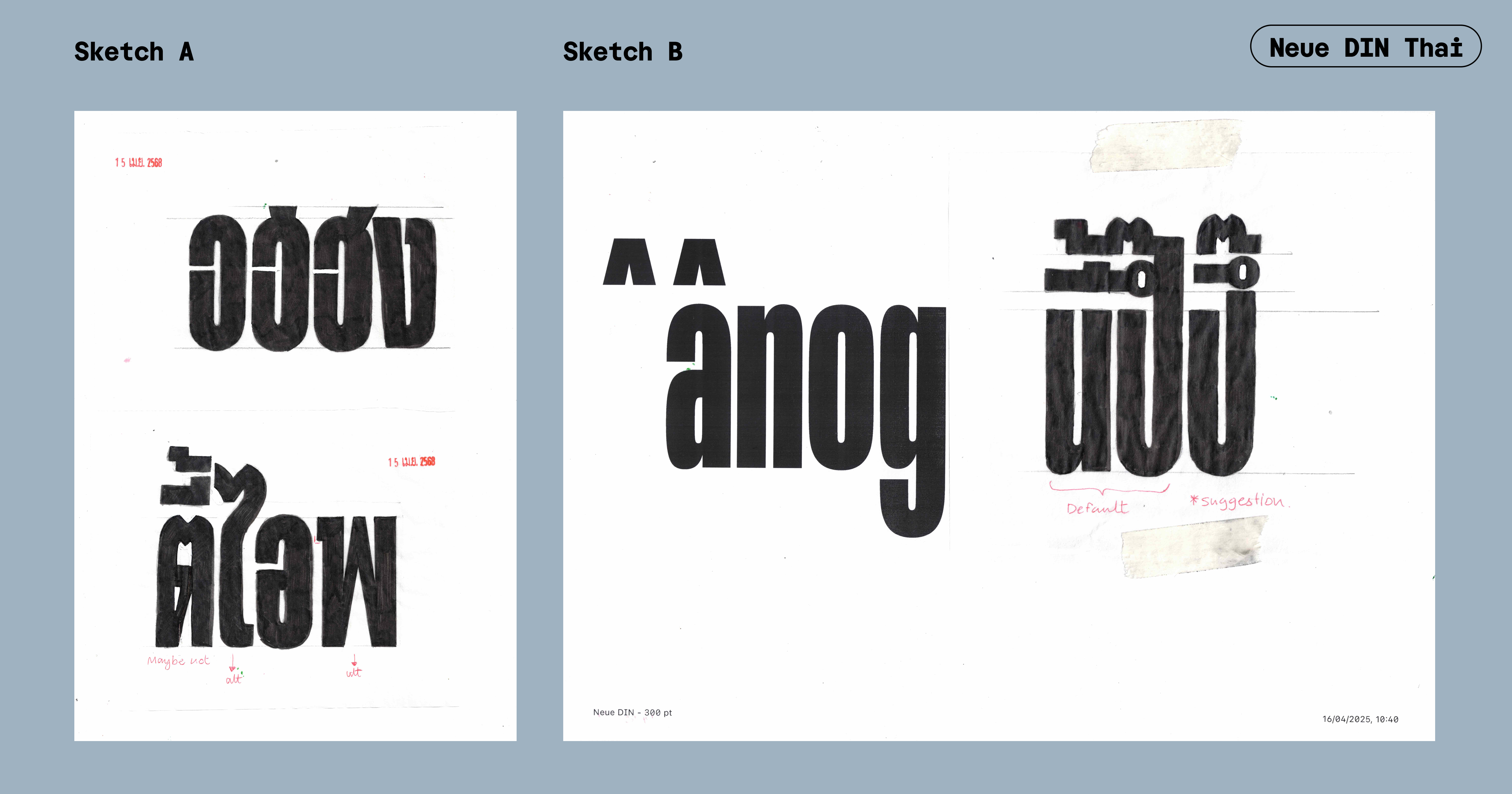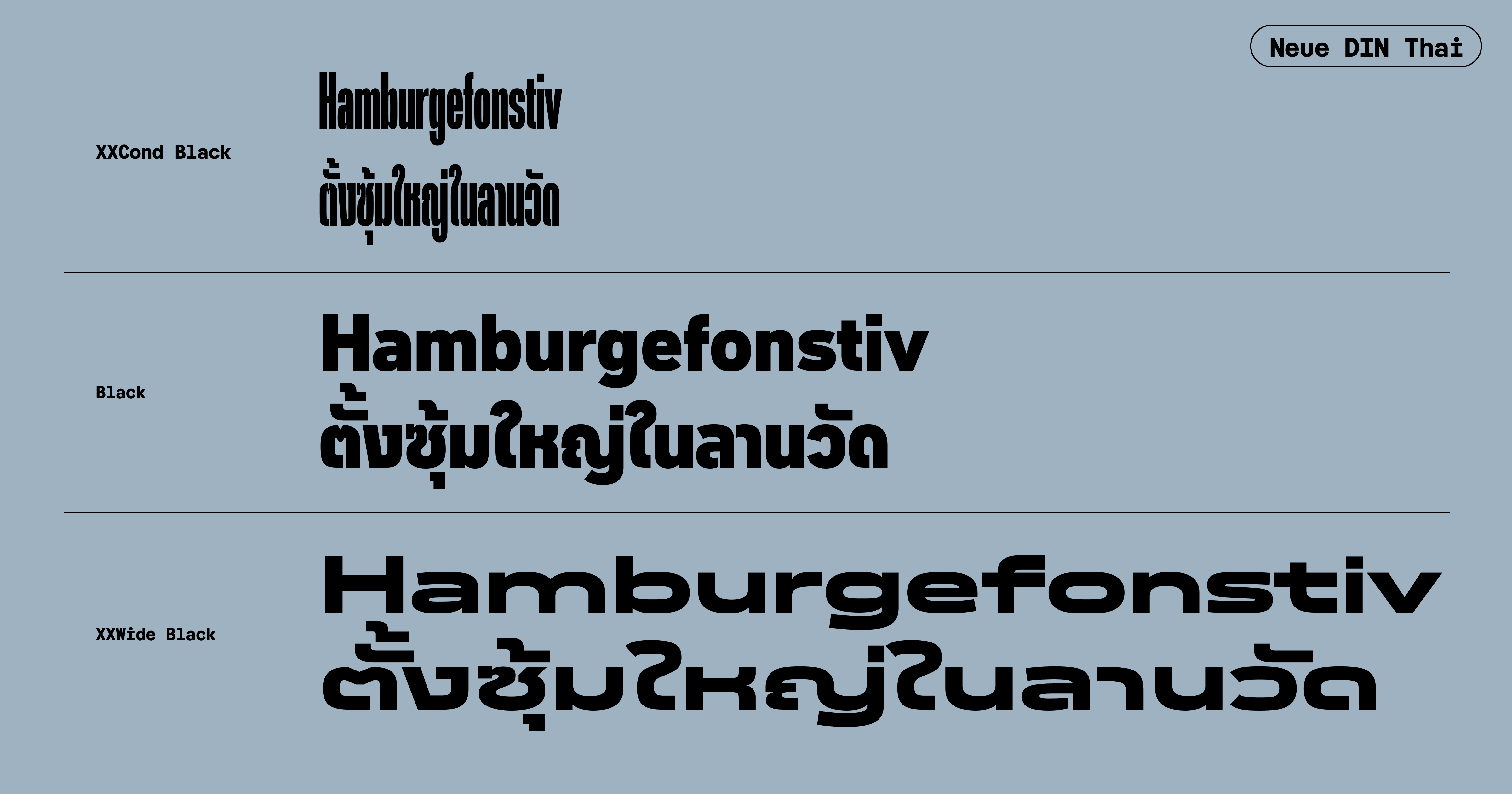
set that question aside a long time ago, when I first began experimenting with designing Thai Loop letterforms (Traditional Thai characters are distinguished by small circular loops and are primarily used in school textbooks, the publishing industry, and longer texts). At first, the work felt as if I was dealing with an ampersand in every single letter. From a purely economical perspective, the enormous amount of time and training that Thai type designers invest into the script can rarely be justified.
However, if you measure its value by what it preserves and passes on, then the answer looks very different. If it means that you can prevent historical letterforms from being lost amid technological change and deepen our understanding of the Thai script with every new project… In that case, the answer is always a resounding “Yes!”
Thai type never gets boring. There’s always something to learn, both creatively and technically. Having been born and raised in Bangkok, I have spent the last eight years intensively engaged with our script. In that time, my appreciation for its diversity has steadily grown over time. Every single stylistic variation offers new insights.
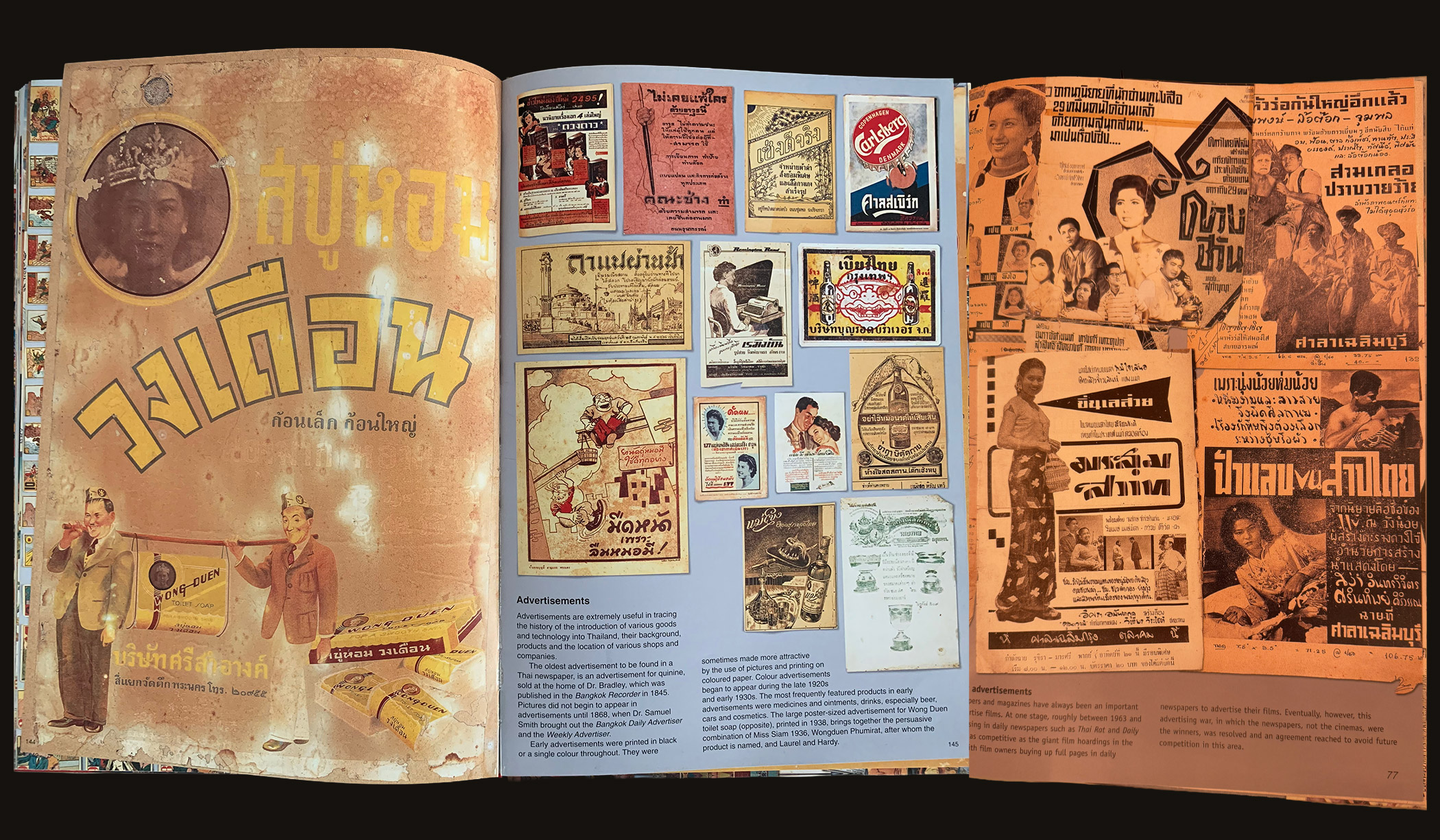
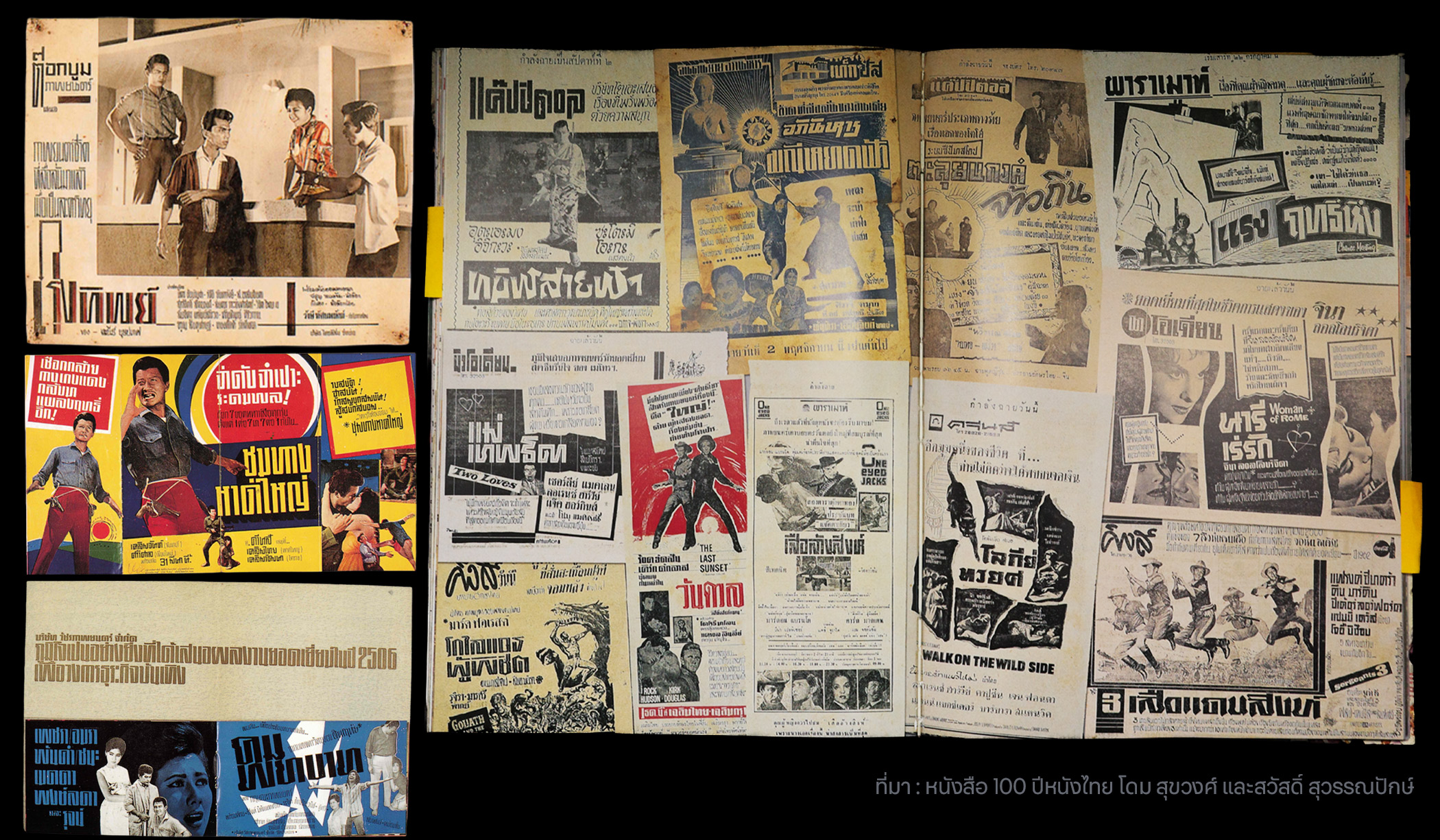
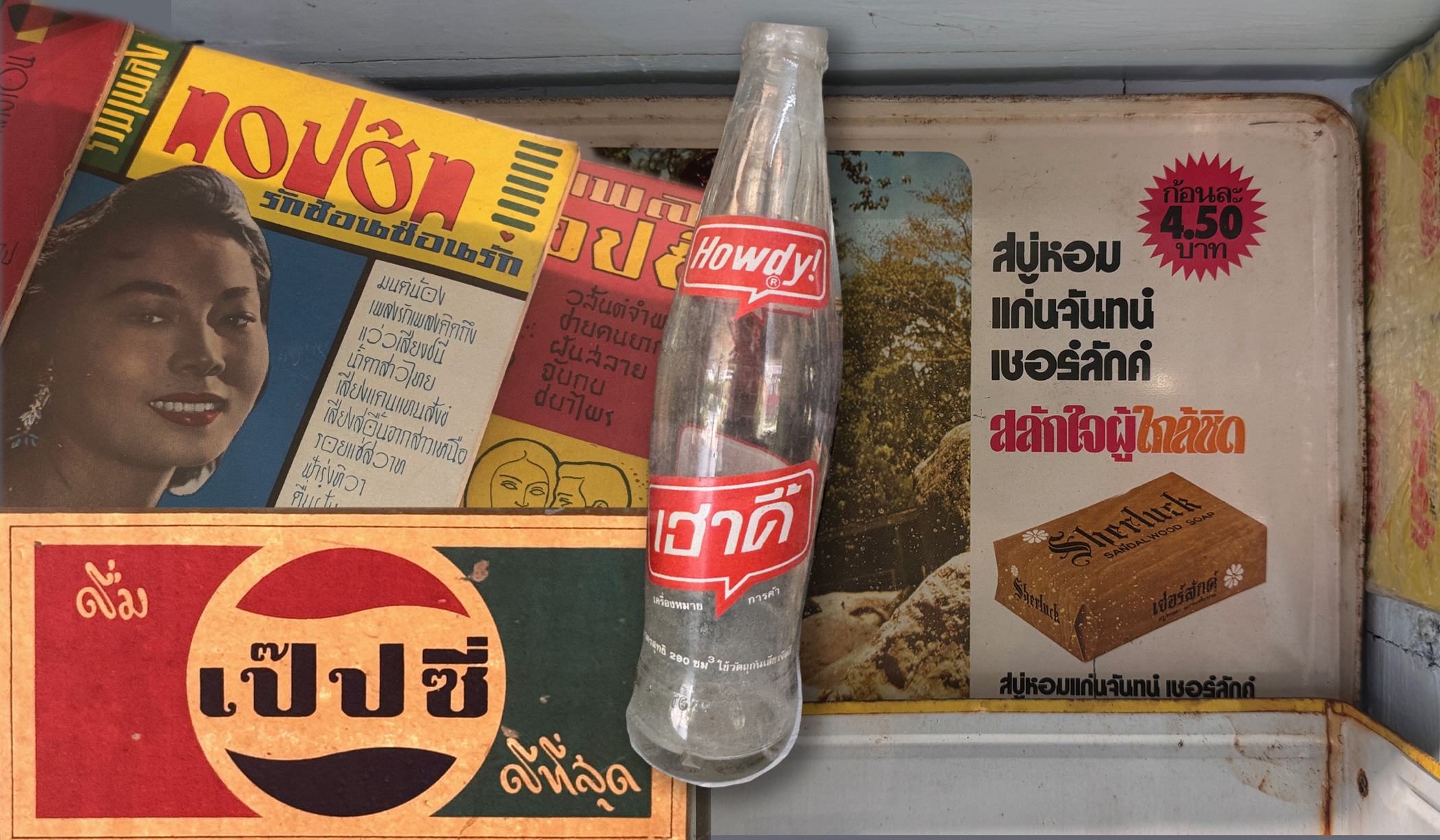
As for the historical foundations, however, I’m happy to leave that to the experts: “History of Thai Typography” by Pracha Suveeranont, published by Typotheque, remains to this day, the most comprehensive documentation of the history of Thai typography and print culture. In what follows, I will provide a brief overview and then focus on a few milestones in this history.