Why license fonts at all?

Kickstart your next design pitch—both internally and externally

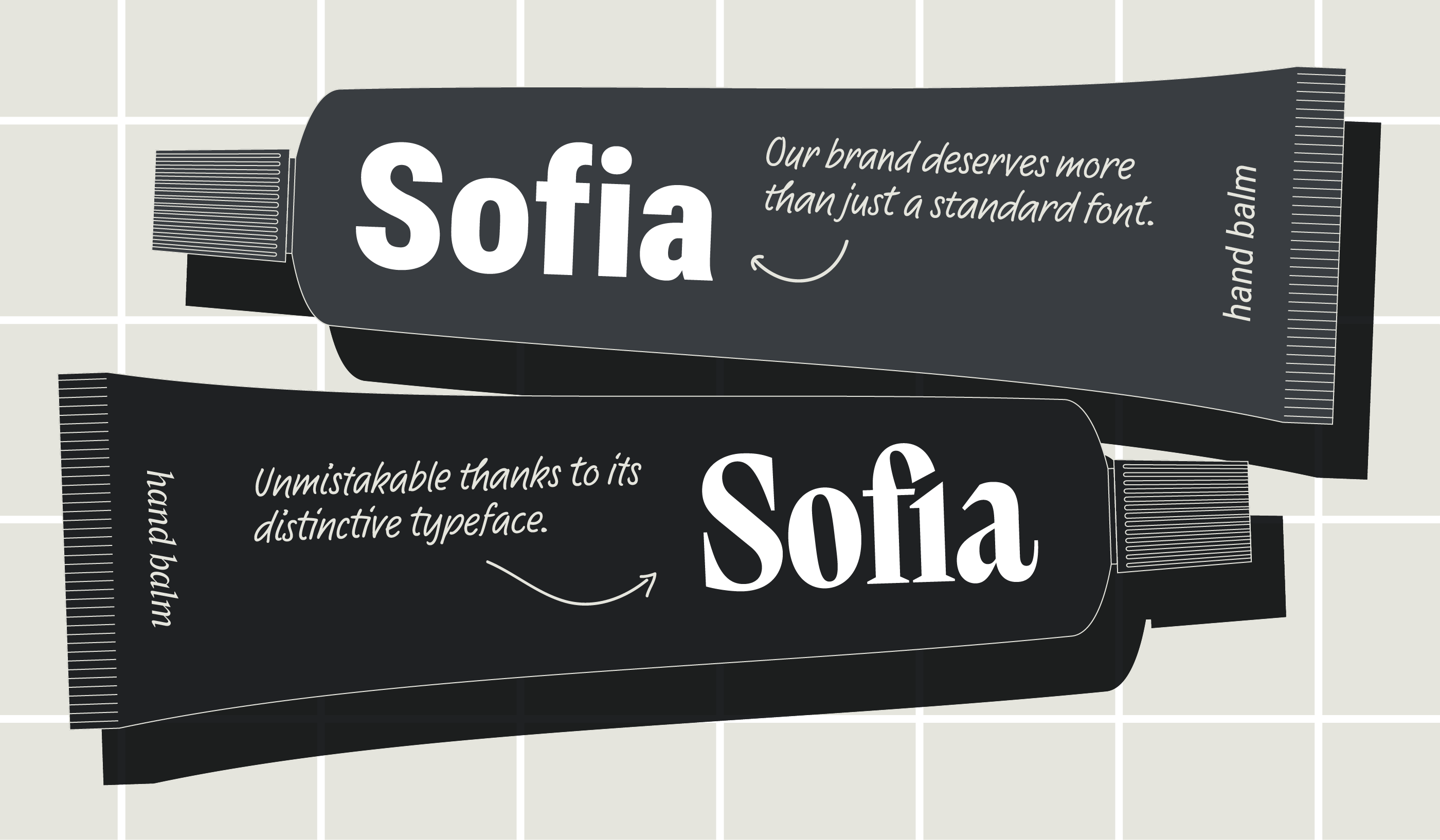
Why license fonts at all? — Your brand is not standard and therefore deserves more than just a standard font.

You’ve found the perfect font. It fits your project like a glove—clear, authentic, recognizable. Then comes the acid test: the team meeting. Instead of enthusiasm, you’re bombarded with questions: “Why not just use Google Fonts? Wouldn’t Open Sans work just as well? Do we really need to spend money on this?”

This is exactly where this article comes in.

Sure, licensed fonts cost money and free alternatives are everywhere. But when it comes to brand identity, fonts are an important building block. They determine whether campaigns are noticed or fade into obscurity.

But don’t worry: after reading this article, you’ll be able to answer killer questions convincingly and refute critical arguments.
1. What happens when fonts become an afterthought

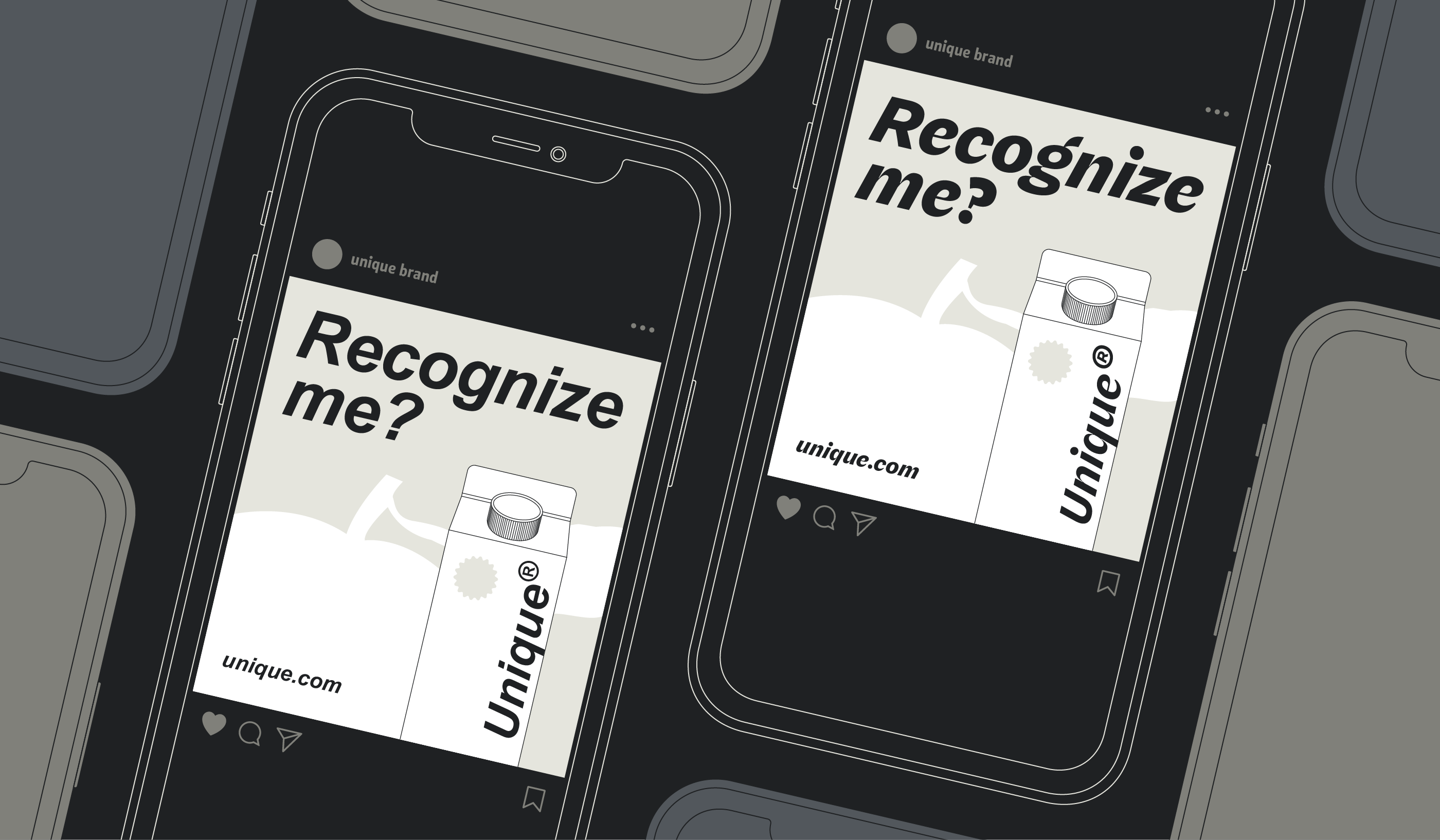
“Let’s go with Roboto for now” sounds harmless. In reality, it’s a declaration of creative bankruptcy because you’re reducing your brand to the lowest common denominator and you’re becoming invisible.

In the digital space in particular, fonts are a distinguishing feature. When everyone uses the same fonts, brands become invisible. We saw this happen in the 2000s with Arial, Verdana and Georgia. Today, their counterparts are Roboto, Open Sans and Montserrat. The result? Interchangeability. No branding. No individuality. And for no good reason, because unlike back then, when webfonts were limited to a few system fonts, today we enjoy infinite typographic freedom.

2. The Google Font Trap

Open-source fonts, most notably those from Google, are undoubtedly practical. But for the US corporation, the fonts it provides are merely the lubricant for its global advertising machine. They are not developed out of a love of typography, but as the foundation for the company’s own business model.

There is no question that many fonts are of high quality (design and technology-wise) and are wonderfully suited for private use. They can also be a good cost-benefit compromise for some Asian language extensions. But when a handful of fonts are used millions of times by companies, the result is not identity, but monoculture. Anyone working with Open Sans or Roboto in a professional context today is signaling: We’ve made it easy for ourselves.

There are also risks involved:

  • Legal: Use is not automatically GDPR-compliant—when they are dynamically integrated, personal data of website visitors is forwarded to Google.
  • Design: Using the same font as your competitors means giving up your unique selling points.
  • Technical: Lack of support for questions or any problems that may arise.
  • Strategic: Fonts are seen as a commodity rather than a branding asset—a strategic mistake.
Why license fonts at all? — Your brand is not standard and therefore deserves more than just a standard font.
Your brand is not standard and therefore deserves more than just a standard font.
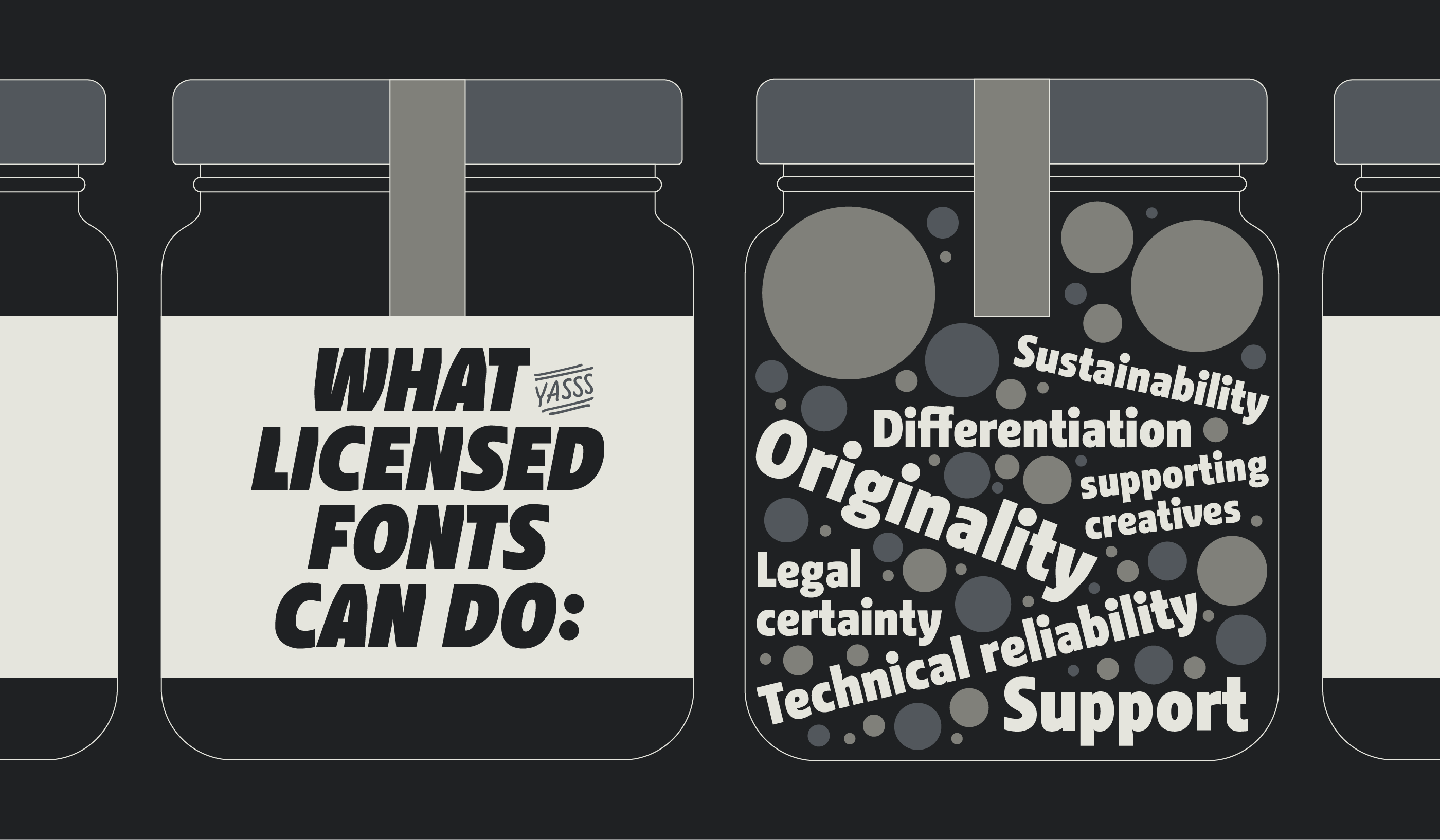
3. What licensed fonts can do

They can also do things that free fonts rarely offer in such depth:

  • Originality and differentiation: Retail fonts open up a huge selection of individual voices. For almost every project, there is “the one font” that really fits—instead of one that just “works.” In some cases, exclusivity can even be agreed upon, for example, for certain industries or regions.
  • Technical reliability: Clean outlines, careful spacing and kerning, vertical metrics, OpenType features, screen optimization, optical sizes, broad Unicode coverage—all tailored to professional workflows and long-life cycles.
  • Legal certainty: Established foundries offer a guarantee through clearly defined licenses and advice, and in special cases, the option of adapting terms of use to fit individual needs. Plus: Unlike dynamic integration via third-party servers, local use on your own servers is GDPR-compliant. This reduces risks and provides security.
  • Support & updates: Professional fonts are maintained and expanded, and there are direct contacts to access support. Whether you need adjustments, bug fixes, updates or simply a quick query—collegial, direct, fair.
  • Sustainability and supporting creatives: A license is also an appreciation of the creative work of others. It strengthens the community, enables new designs, and is an investment in the culture and quality that also benefits your own.

In short: a license agreement is like a tailor-made suit. It’s not fast fashion but a reliable tool that fits, works and makes your brand stand out.

Why license fonts at all? — What licensed fonts can do.
What licensed fonts offer: originality and differentiation, technical reliability, legal certainty, support & updates, sustainability and supporting creatives
4. The Budget Question

Fonts are everywhere: on websites, in social media, in presentations, in mailings, on packaging, in apps, on advertisements. Every day, your brand communicates through text and across all analog and digital touchpoints.

A license for this often costs less than a subscription to many common business tools. Yet the difference is fonts shape the face of your brand for years and leave a lasting impression.

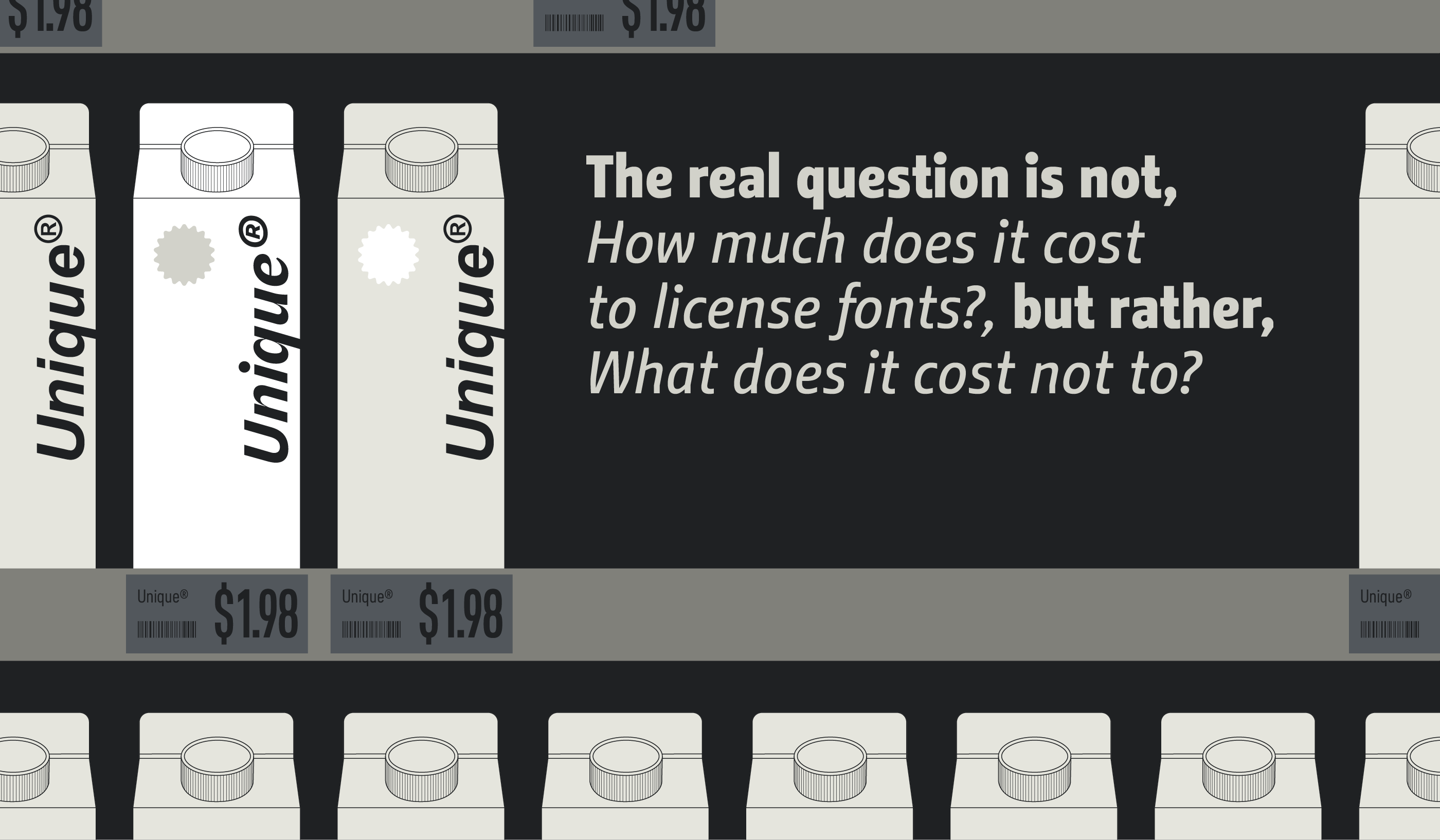
So the real question is not, “How much does it cost to license fonts?”, but rather, “What does it cost not to?”

Answer: Invisibility, risk of confusion, lack of identity, legal uncertainty, complex repairs and with that comes real economic disadvantages and consequences.

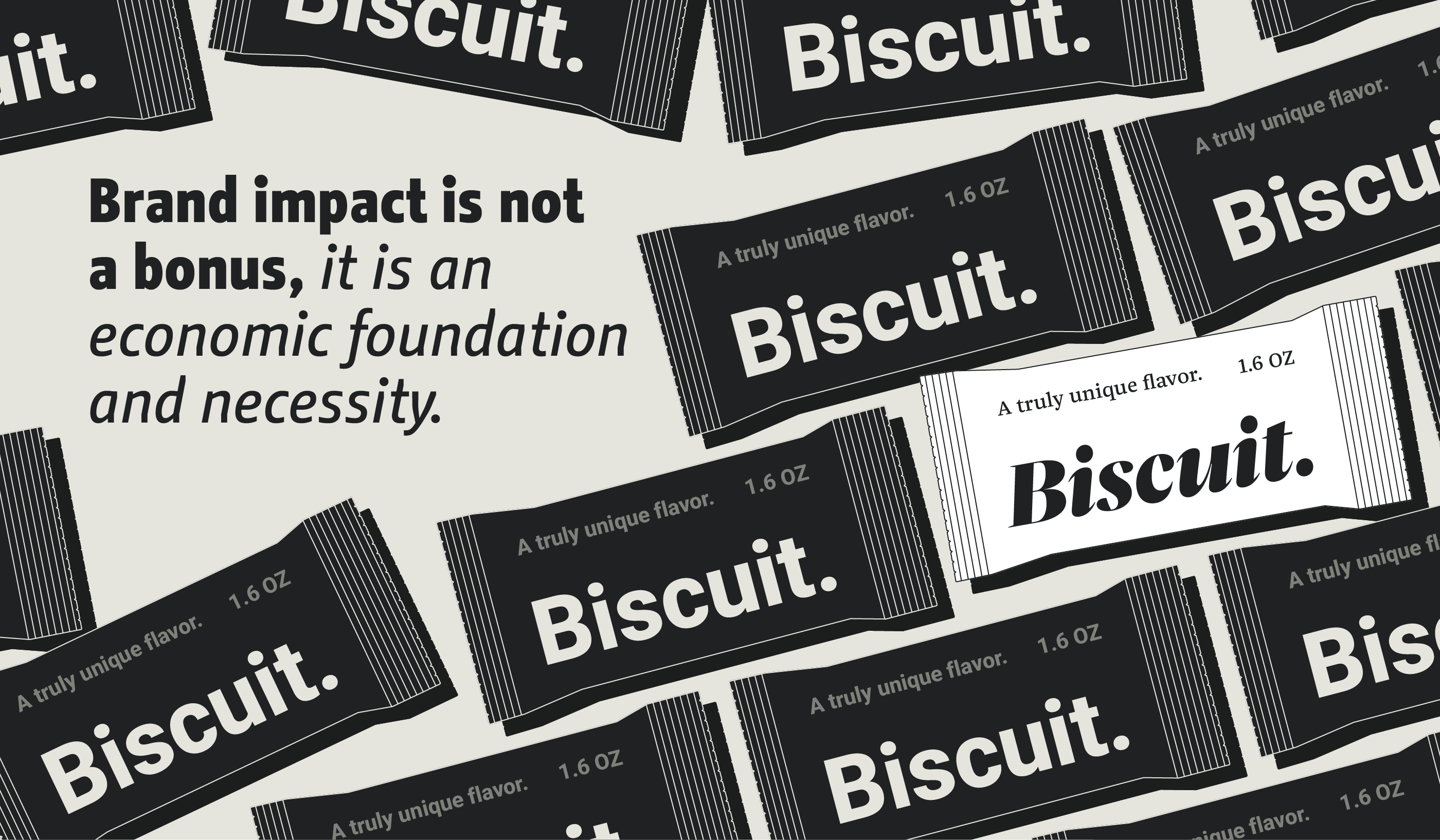
Brand impact is not a bonus, it is an economic foundation and neccessity.

Why license fonts at all? — How much does it cost to license fonts?
A font license often costs less than a subscription to many common business tools. Yet the difference is fonts shape the face of your brand for years and leave a lasting impression.
5. Points you can use to convince your team at your next meeting

Do you need to convince the project management, management or your clients?

These seven points will help you:

  1. A typeface is the most important element in branding, especially in digital environments—even before color, shape and images.
  2. Our brand is not standard and therefore deserves more than just a standard font.
  3. A typeface with strong character conveys our individual brand values ​​subtly, continuously and effectively in any environment.
  4. Our corporate typeface clearly sets us apart from the competition (if necessary, analysis of which [open source] fonts the competitors use).
  5. Others who use the same fonts dilute our appearance.
  6. With professional fonts we reduce effort, legal risk and later workarounds.
  7. We don’t just design “beautifully”, but strategically.

Print out this list. Take it with you to the next conversation.

Think about this image: Type is the first impression of a brand—often before anyone even reads the text.

Why license fonts at all? — Brand impact is not a bonus, it is an economic foundation and necessity
A typeface with strong character conveys your individual brand values ​​subtly, continuously and effectively in any environment.
Conclusion

If you want your own voice, you shouldn’t speak with a borrowed tongue. And if you want a distinctive brand, you should start with the font.

If you need support convincing your team or advice on choosing the right font for your brand: talk to us. For us, fonts are not a byproduct but rather the beating heart of our work.

Typefaces used in the images:
Supermarker, Nikolai, McQueen, Change, Neue DIN, Nice