Pangea Afrikan

Our popular geometric sans’ next stop is Africa.

Pangea Afrikan Typeface – Specimen

It’s only been a year and a half since Pangea® was first released but thanks to the ongoing donation of a quarter of all designer royalties, over 75,000 trees have been planted and at least 2,600 tonnes of carbon dioxide has been offset. Meanwhile, Pangea also continues to pursue its second major goal: connecting cultures and continents. One way in which it does this is by promoting underrepresented languages.

Pangea Afrikan Typeface – Specimen
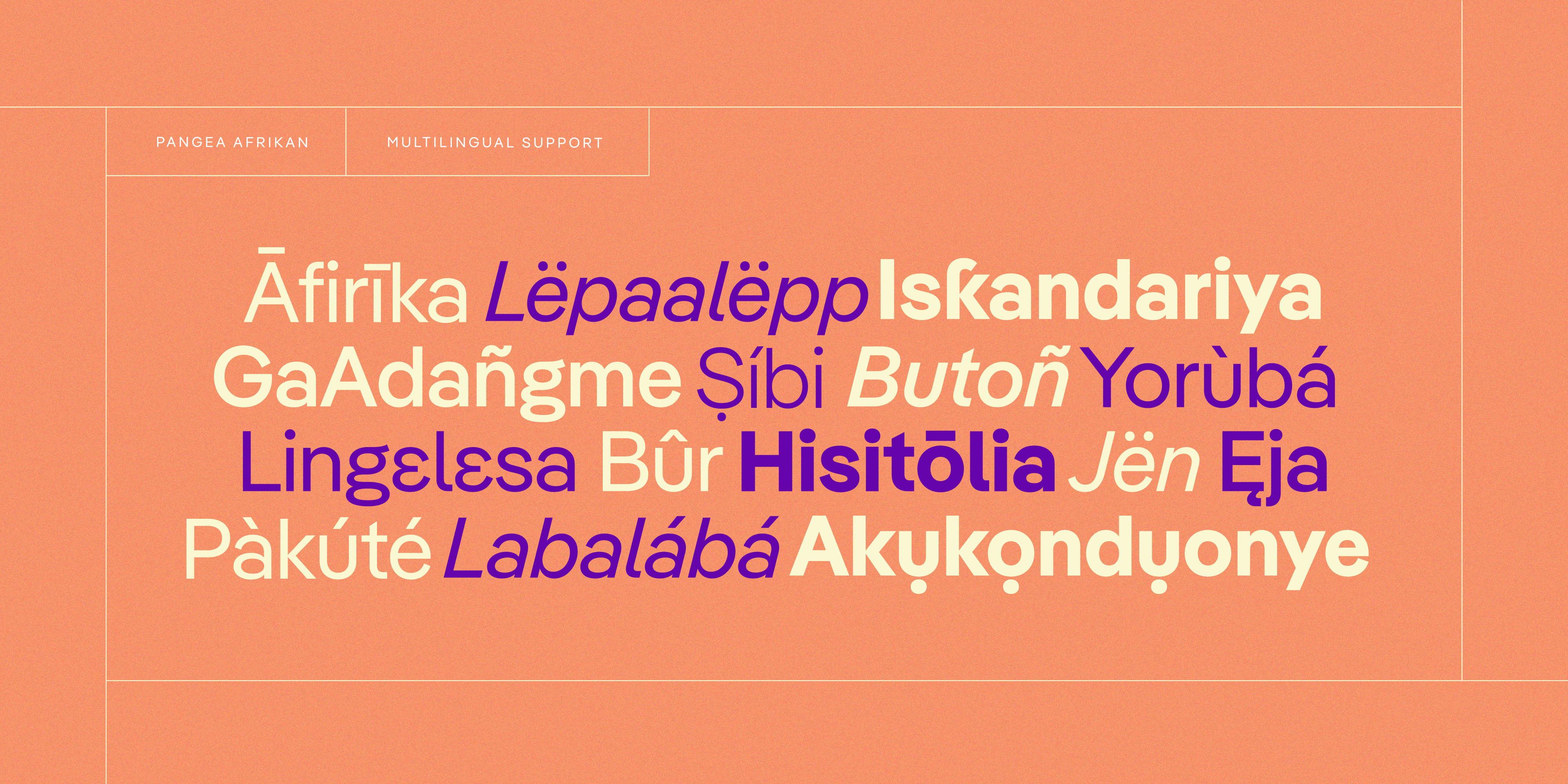
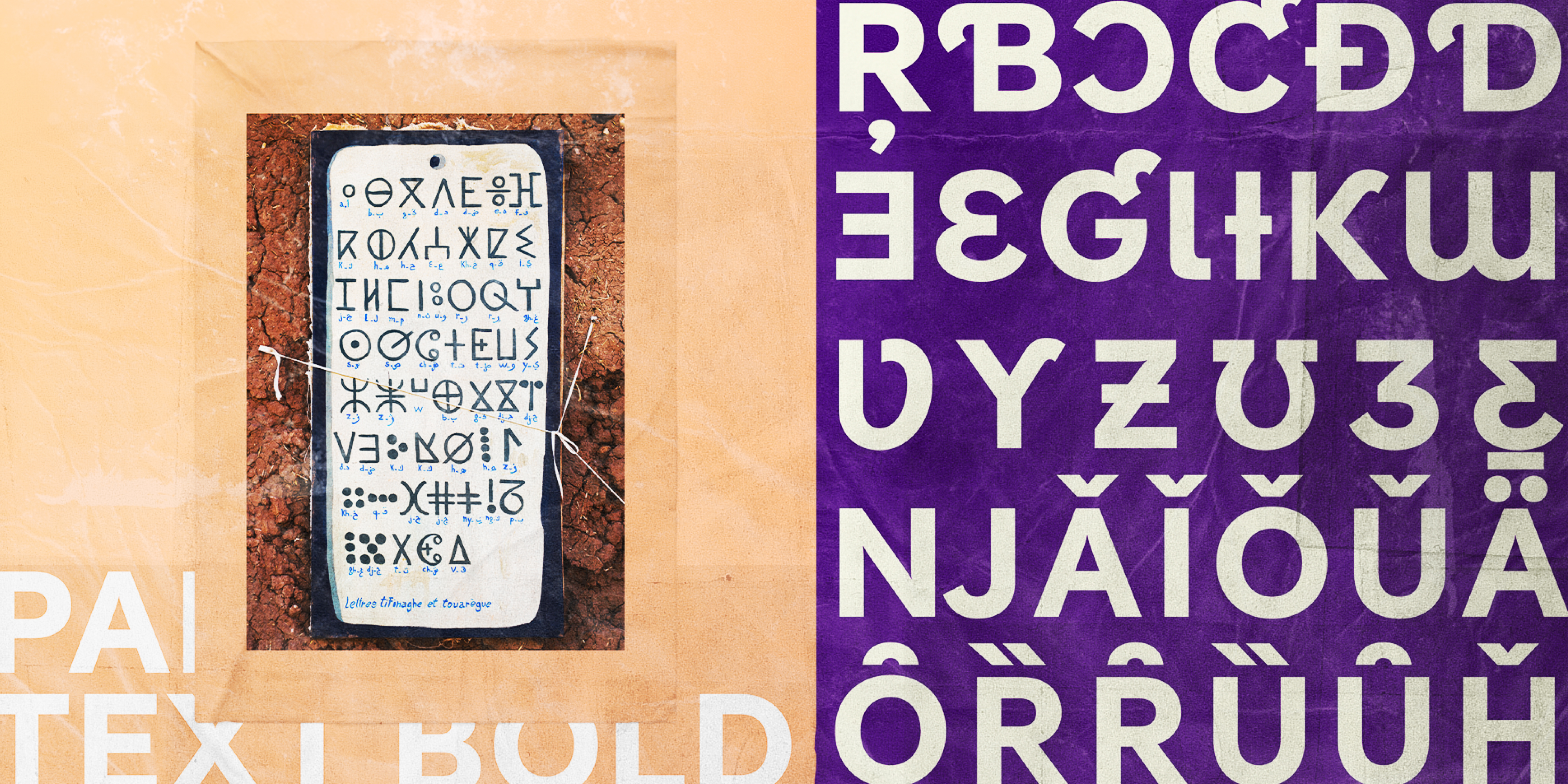
Providing support for African-Latin languages means to support the languages of over 430 million people.
F

rom the outset, Pangea included European Latin, Greek, Extended Cyrillic (including overlooked languages such as Kyrgyz or Bashkir) and Vietnamese as well as characters for the transcription of Arabic and Sanskrit. The next language extension milestones planned are Hebrew and Arabic (Persian, Urdu, Dari as well as Pashto).

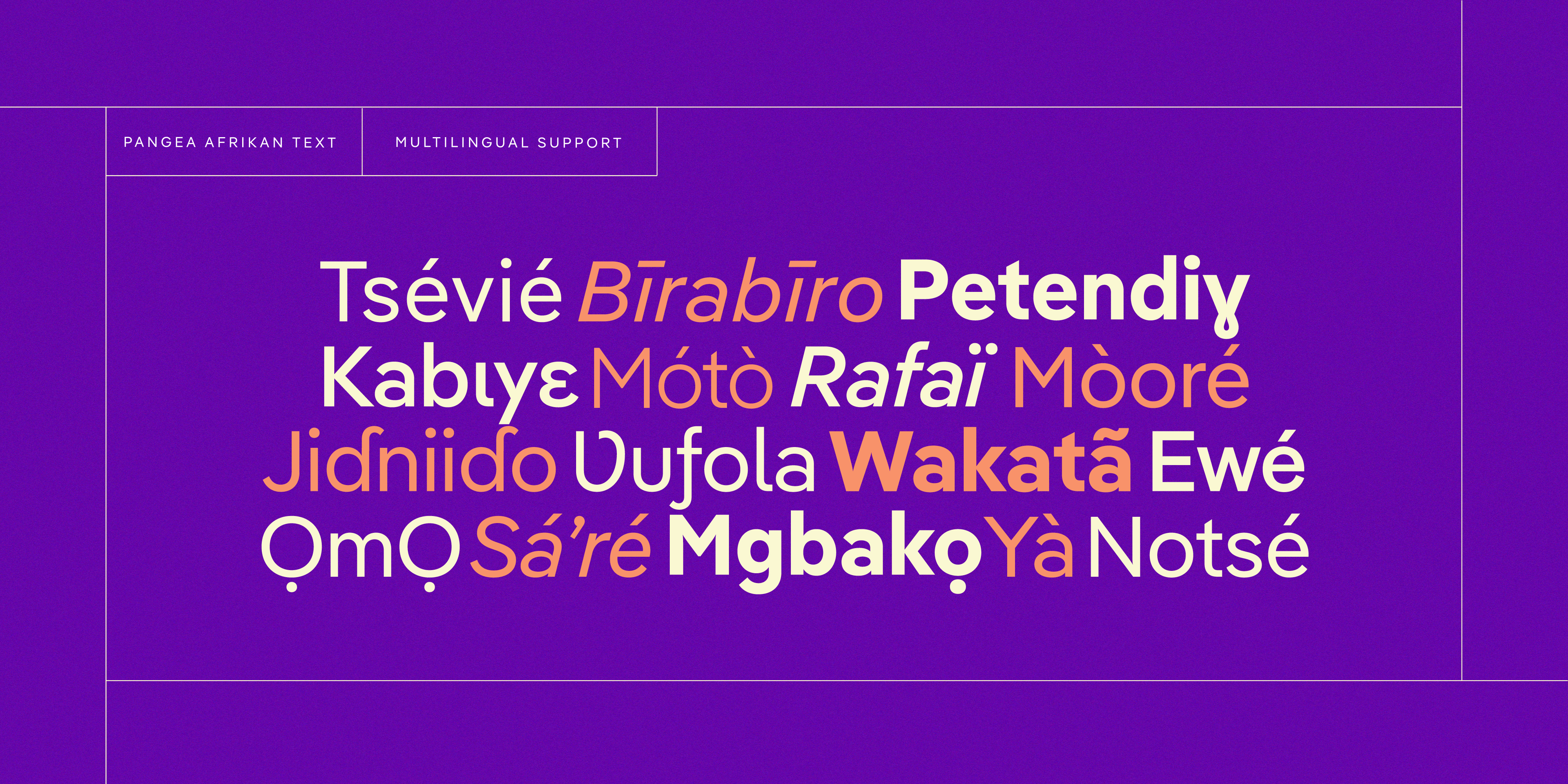
Designer Christoph Koeberlin sees Pangea as an inclusive typeface family. Its name refers to his approach of considering different cultures and continents as part of a common whole. His continuous language extensions challenge Western conventions, as more often than not successful typefaces usually only represent the alphabets of Europe and America. Pangea Afrikan marks an important milestone in this respect: it adds Latin African to its language toolbox. Providing support for languages including Hausa, Yoruba, Igbo, Lingala, Mende, and Umbundu, as well as some indigenous North American languages such as Lushootseed and Navajo–the languages of over 430 million people.
Pangea Afrikan Typeface – Specimen

Fontwerk’s mission is to make typography affordable and accessible to all. We don’t want to make extensive language support like Cyrillic, Greek or Arabic an expensive additional barrier or obstacle to great typography. With this comprehensive update, we even go one big step further based on Christoph’s suggestion: Pangea Afrikan is permanently free of charge and included in the Base License! We hope that brands, agencies and individual designers will be able to benefit from this.

Pangea Afrikan Typeface – Specimen
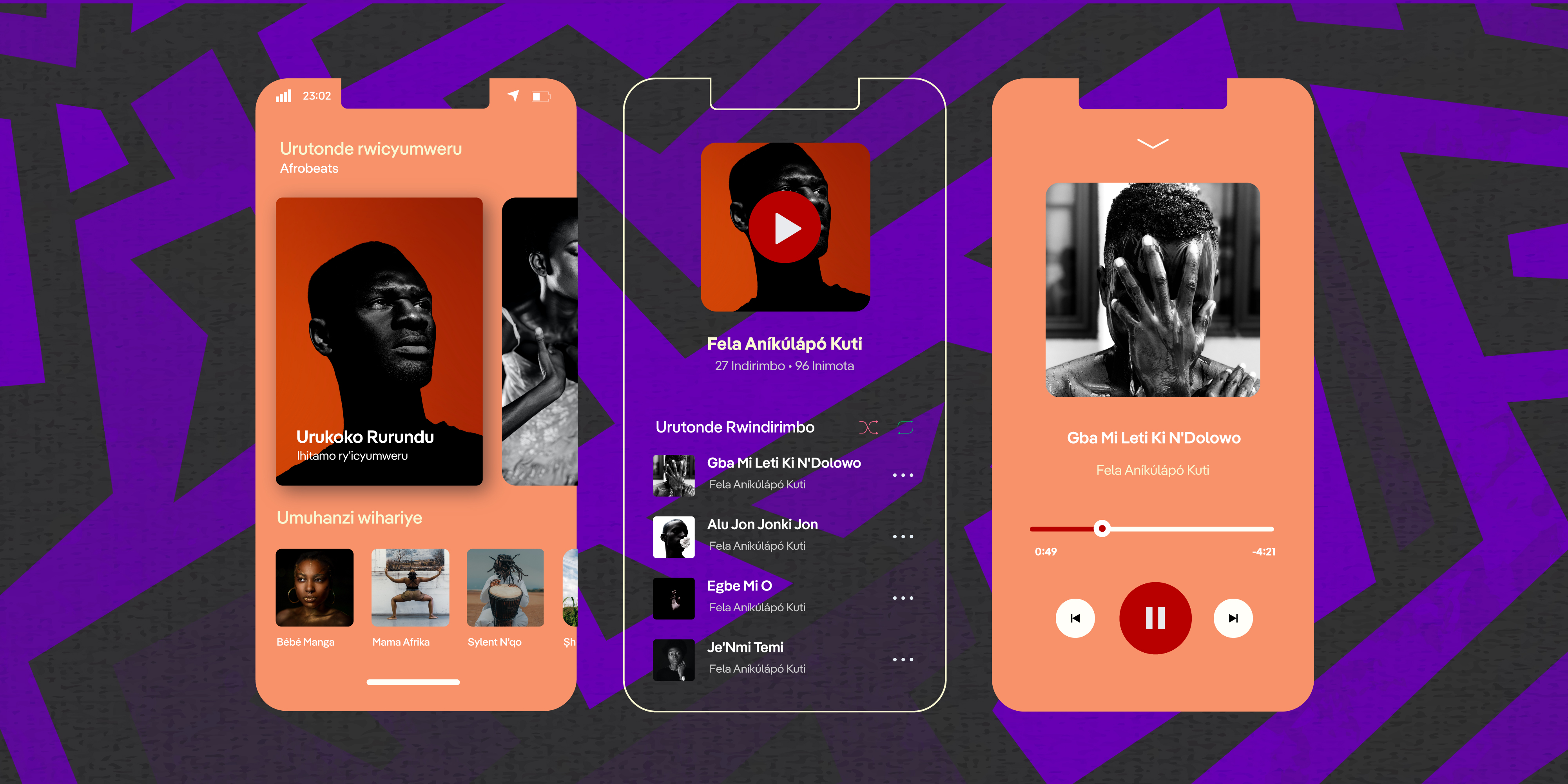
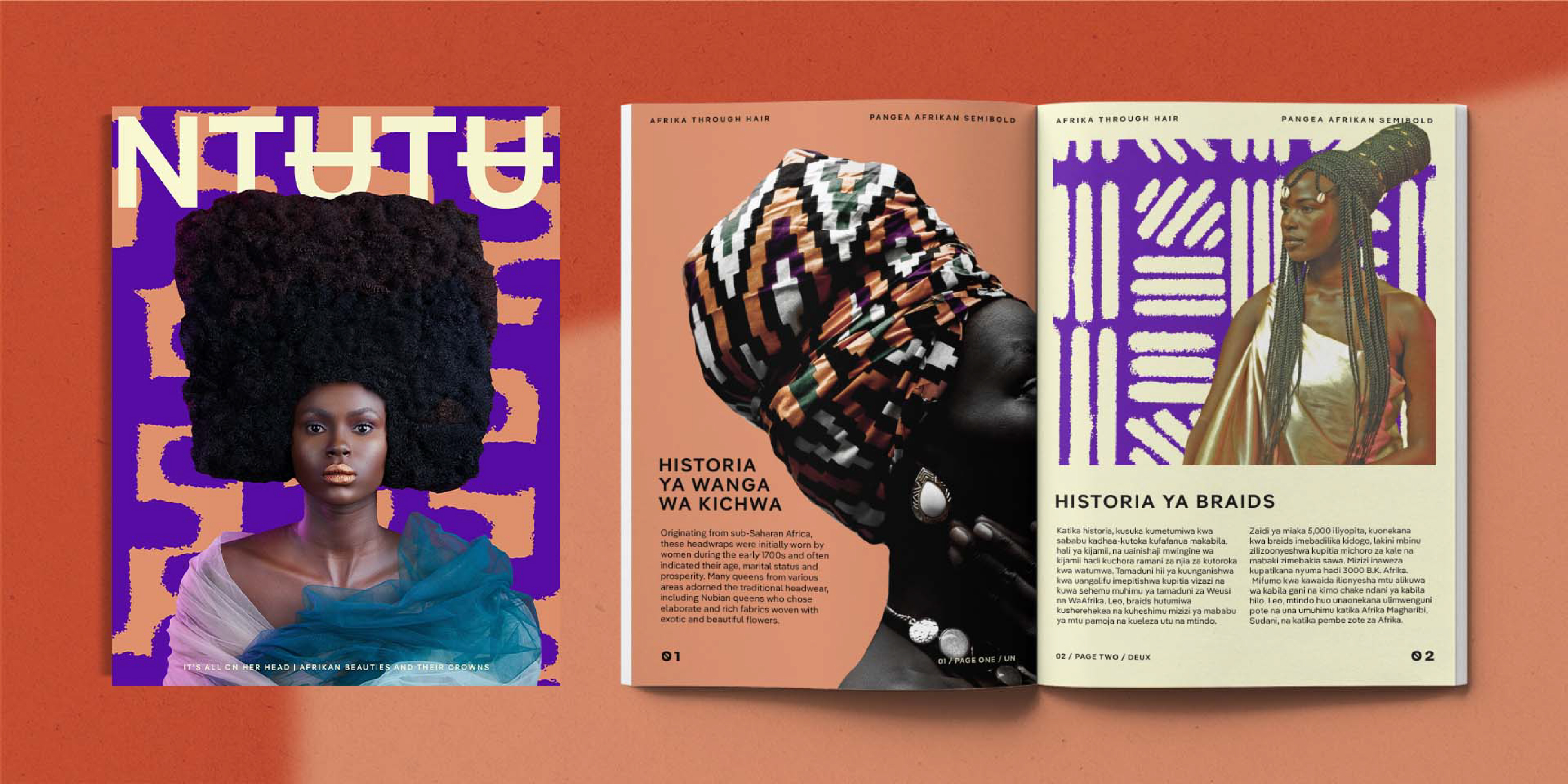
Artworks designed by Fungi Dube

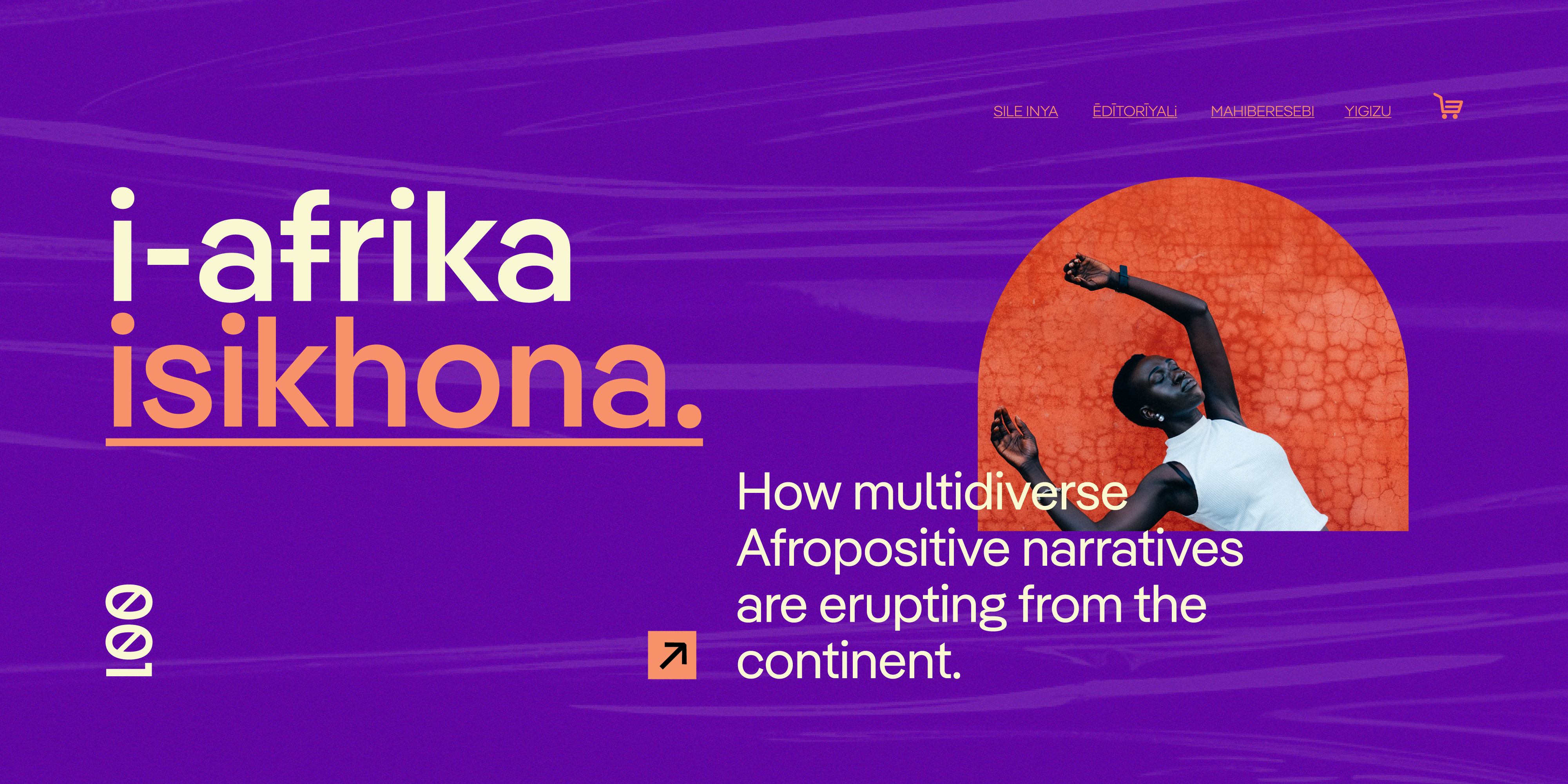
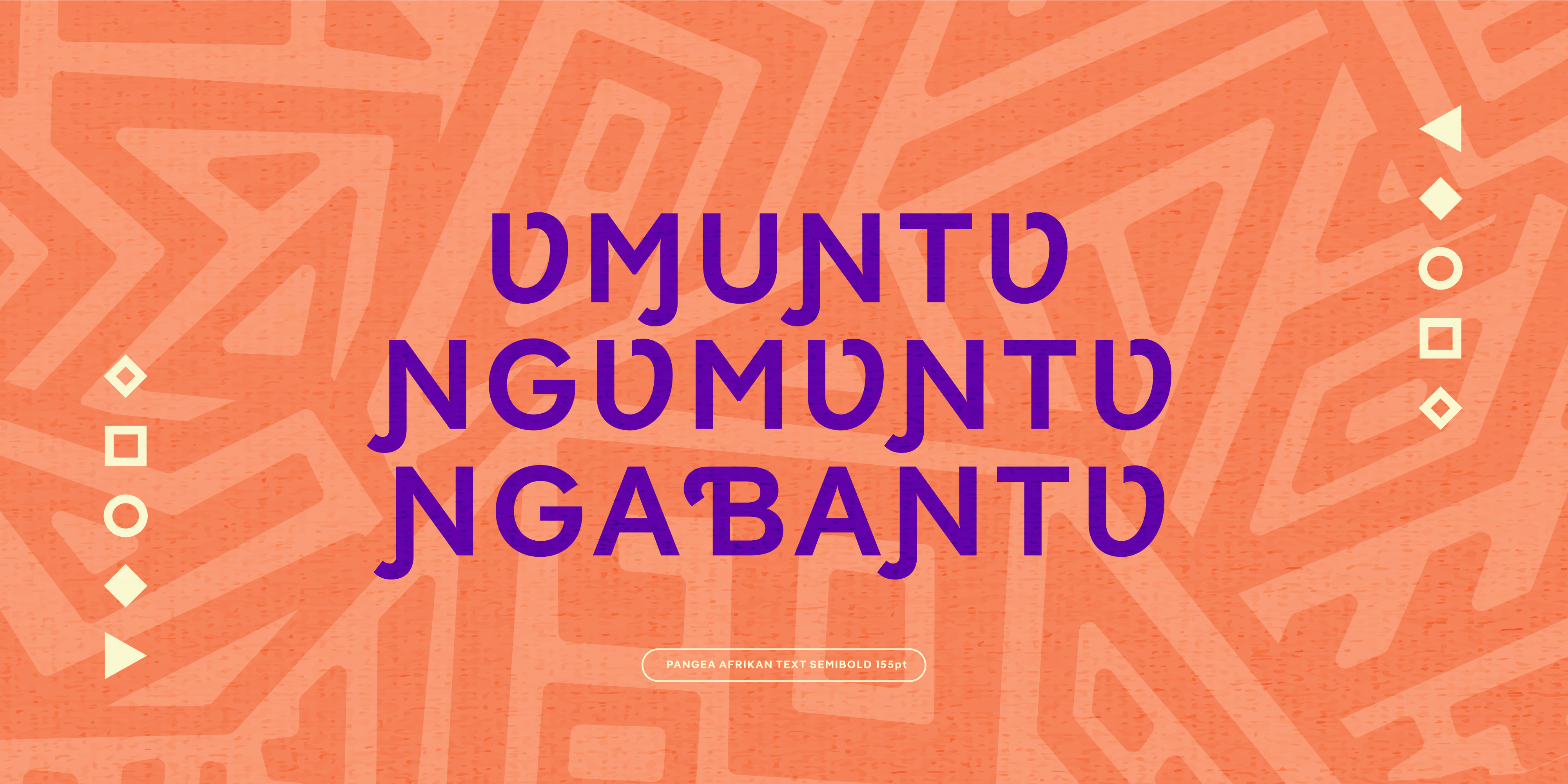
Stylistically, the extension remains true to the tried and tested Pangea formula: the space-saving compactness of the narrow typefaces of the mid-20th Century is transferred to a straightforward, geometric sans serif. That means a stately x-height, ascenders that correspond to the capital letters, and letters that are hardly open. The font owes its finely balanced lightness to diagonal ends and round dots. With two optical sizes, Pangea Afrikan and Pangea Afrikan Text, something that is rather rare in the geometric genre, users get enormous flexibility and design consequence.

This update does not however, mean the end of the language extension. Together with local designers, additional Non-Latin alphabets such as N’Ko or Geʽez are in the works. These will also be available to existing and future customers at no cost. Until then, however, a little patience is required and it is important to trust the Tanzanian proverb ‘Haraka Haraka haina baraka’ (Hurry hurry has no blessings).

Update: End of the project

In December 2025, we introduced our fair regional pricing. Based on the World Bank purchasing power parity data, this significantly reduces font licensing fees for many regions of the world, as they are more realistically aligned with individual living costs and also take into account the relationship between exchange rates and price levels between different countries. African countries in particular benefit from this new model.

However, this removes the key reason behind the idea of Pangea Afrikan. With the free Base License, we wanted to simplify access to high-quality fonts for brands, agencies, and designers on the continent. We believe that this is also achieved with the regional price adjustment.

Pangea has also undergone four significant updates since the release of its African counterpart and continues to be expanded and updated (we’re currently on version 3.02), while Pangea Afrikan is still available in version 1.00. Expanding and updating our fastest-growing typeface family to a comparable extent—especially with regard to the condensed extension—has proven difficult. The ‘large’ Pangea now supports all (!) Latin characters, as well as Arabic, which is spoken in many regions of Africa. With its linguistic enhancements and technical improvements, it is the preferred version. For these reasons, we will be discontinuing the Pangea Afrikan project as a standalone family of fonts.

We hope that this step will help the idea of supporting African storytelling more than before. However, if this makes things more difficult for anyone, please contact us. Together we will find a solution to make it work.

Try Pangea

Pangea Afrikan Typeface – Specimen
Unless otherwise stated, the images used are subject to Unsplash licenses.
Pangea Afrikan Typeface – Specimen

Further information

In his blog, Christoph describes the genesis of this project in more detail and makes suggestions for a Latin character set that goes beyond the borders of Europe and the Americas.

Try Pangea